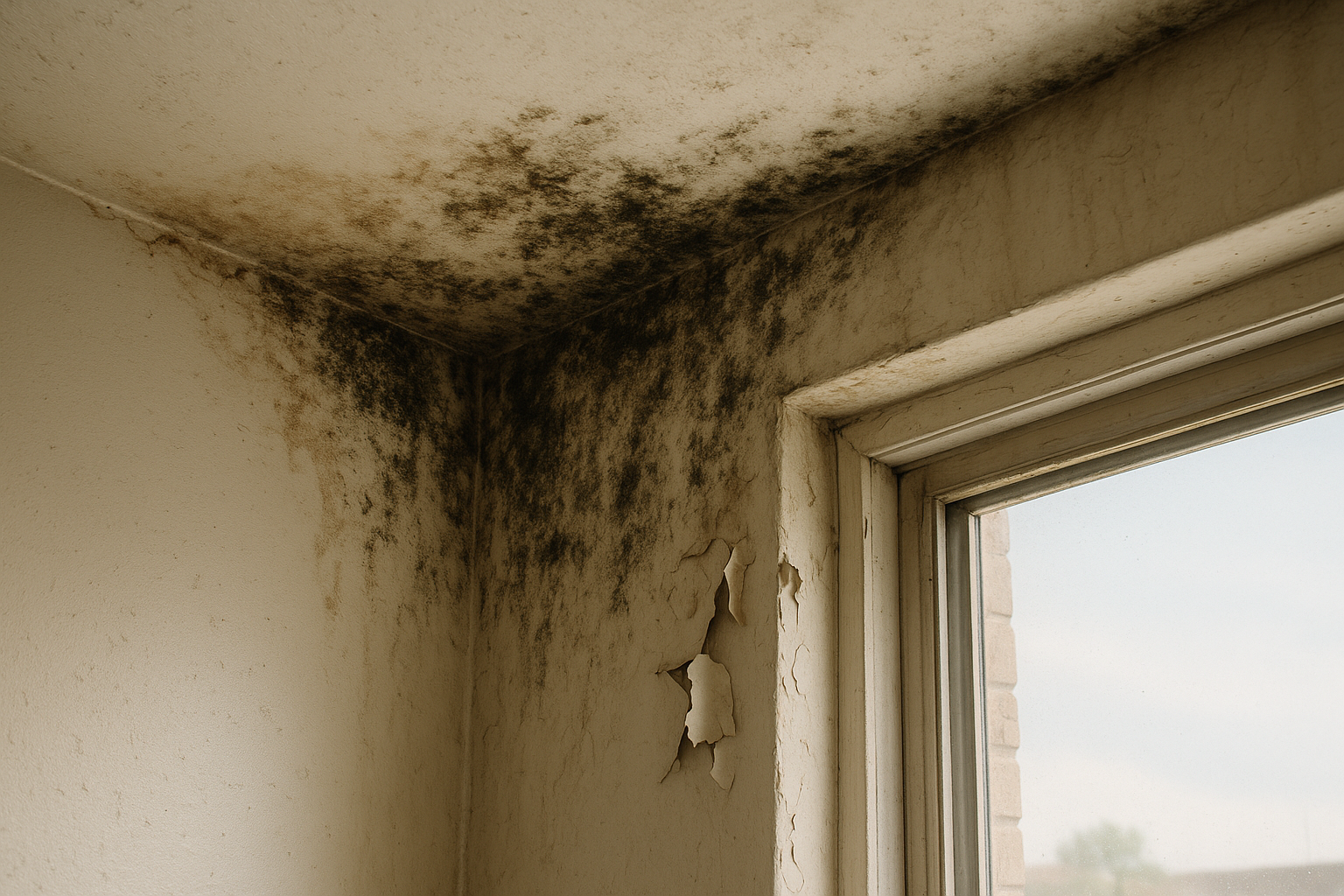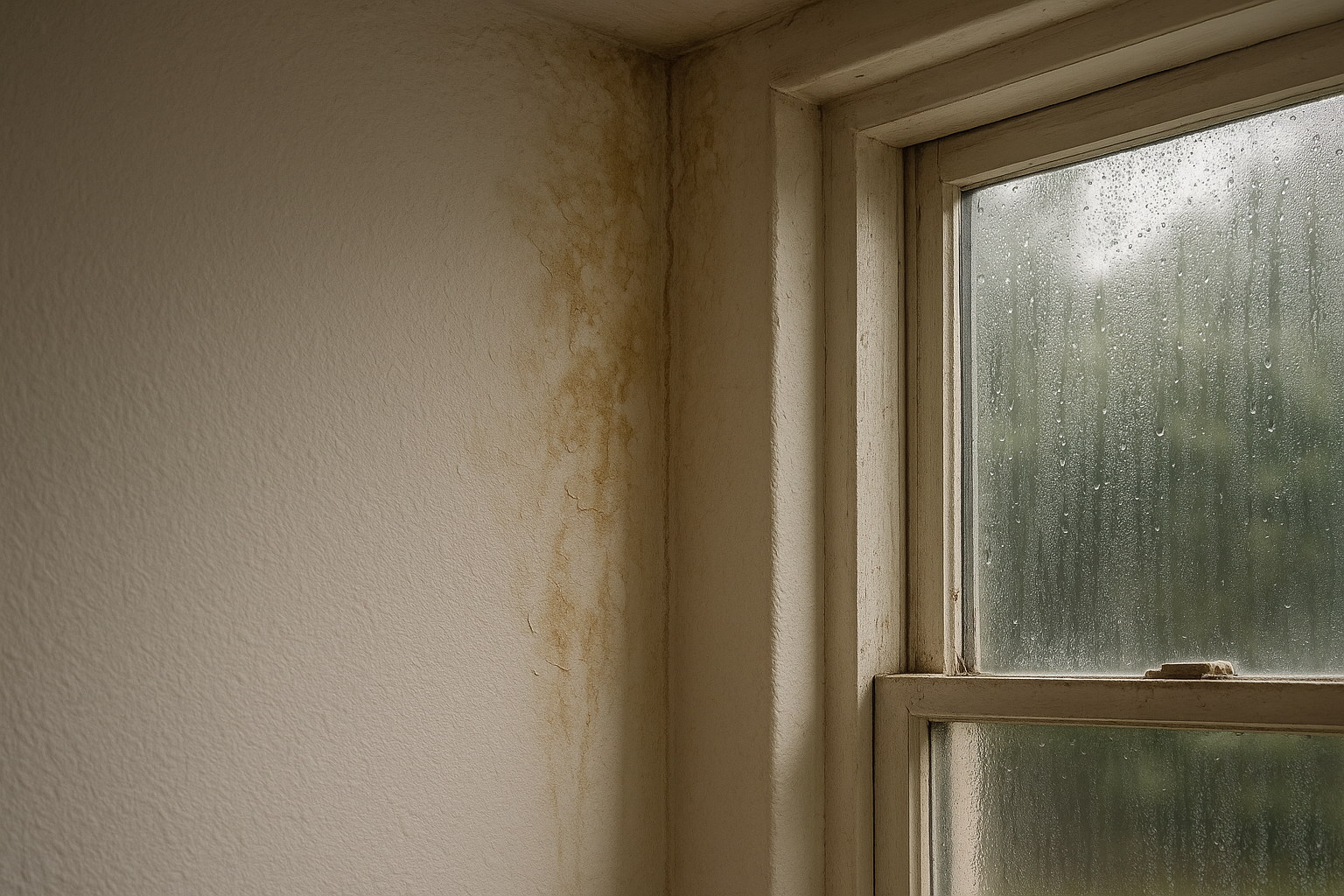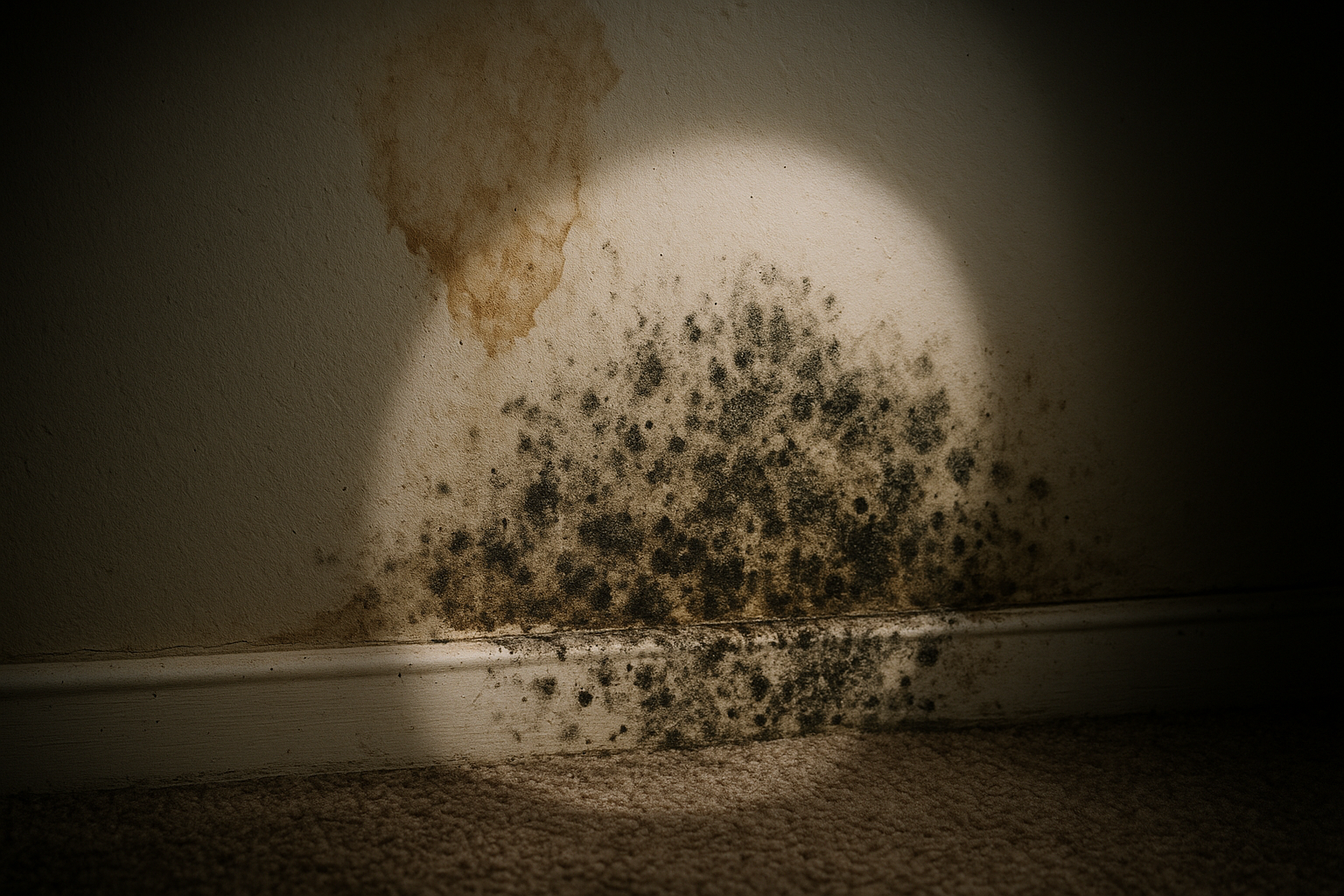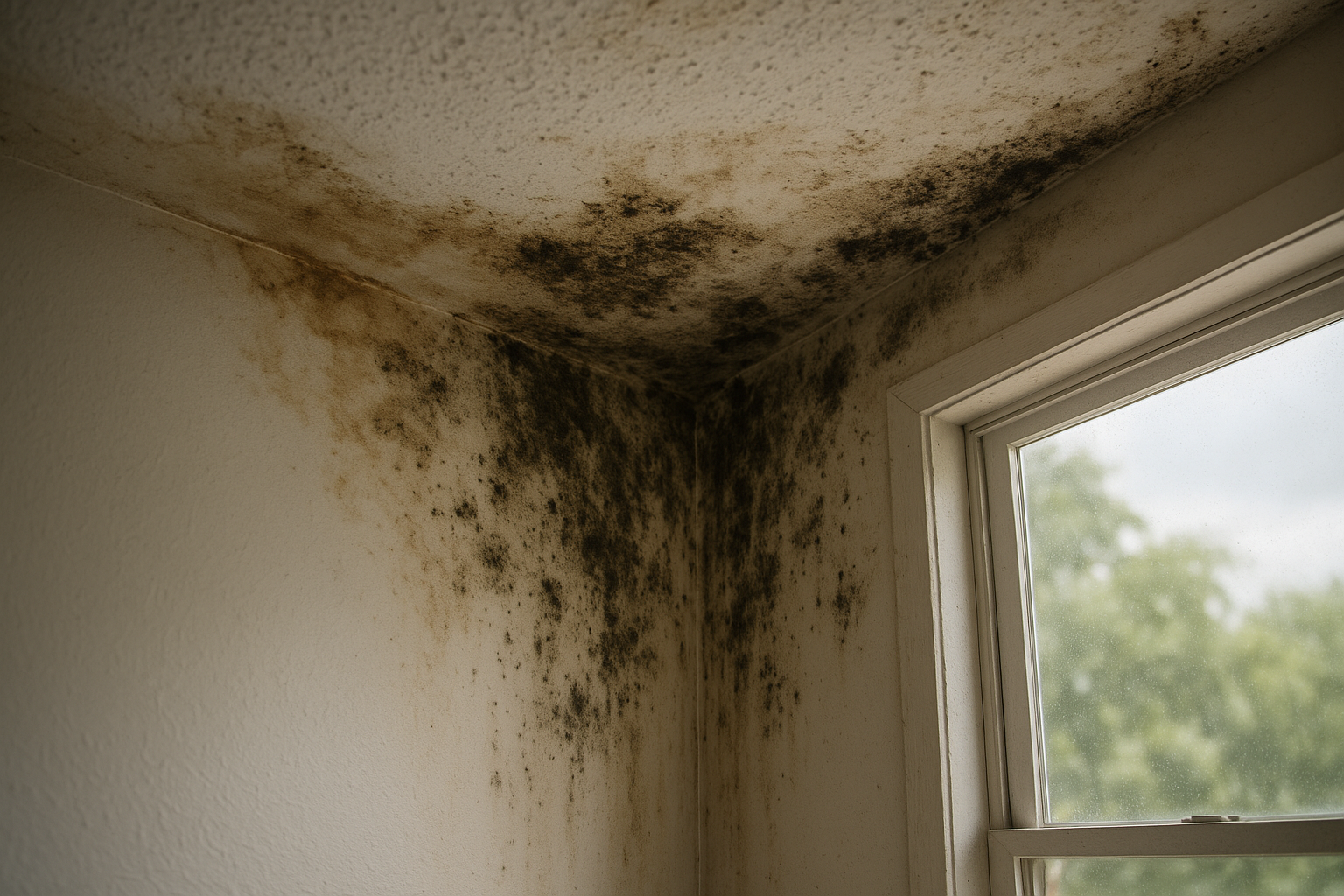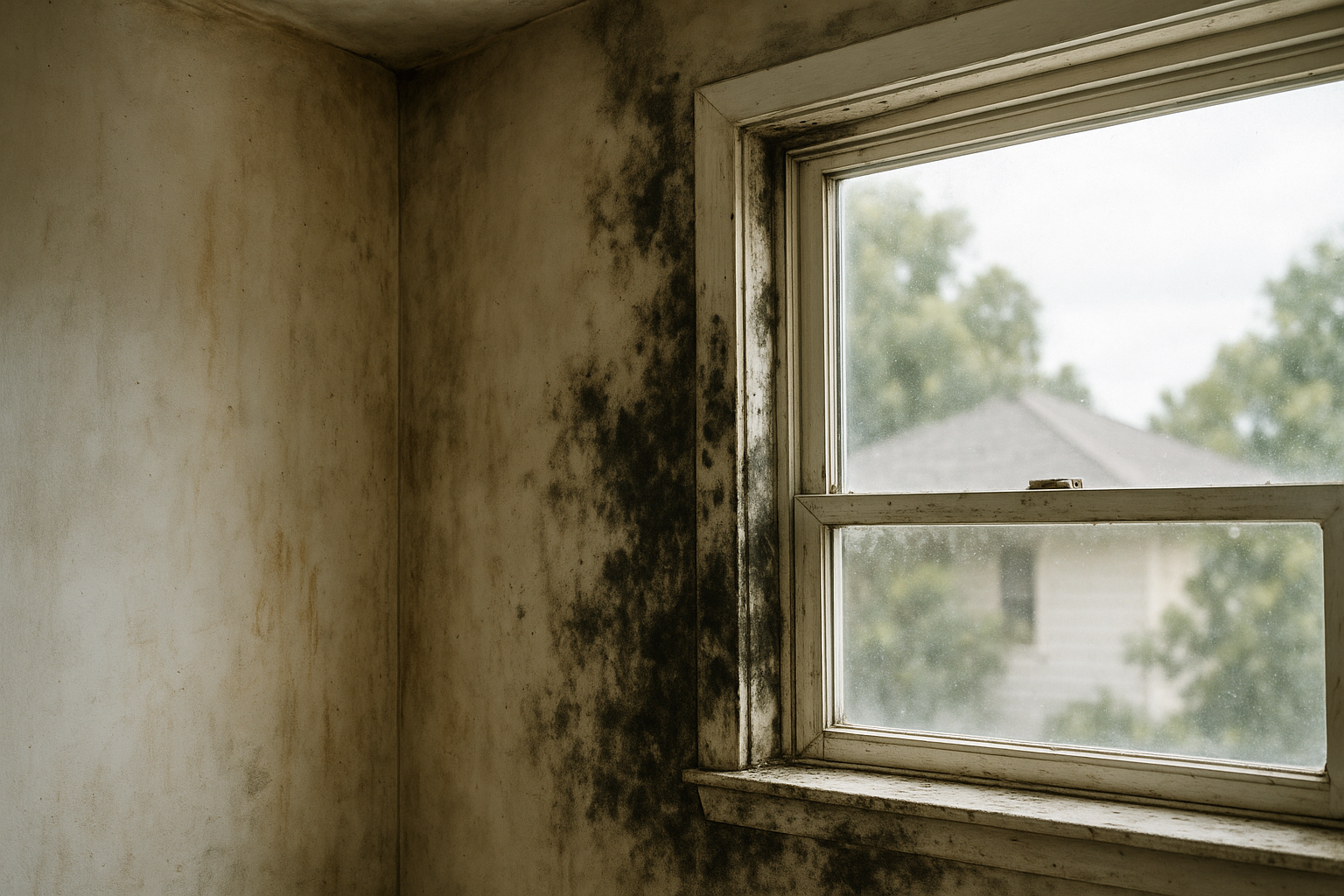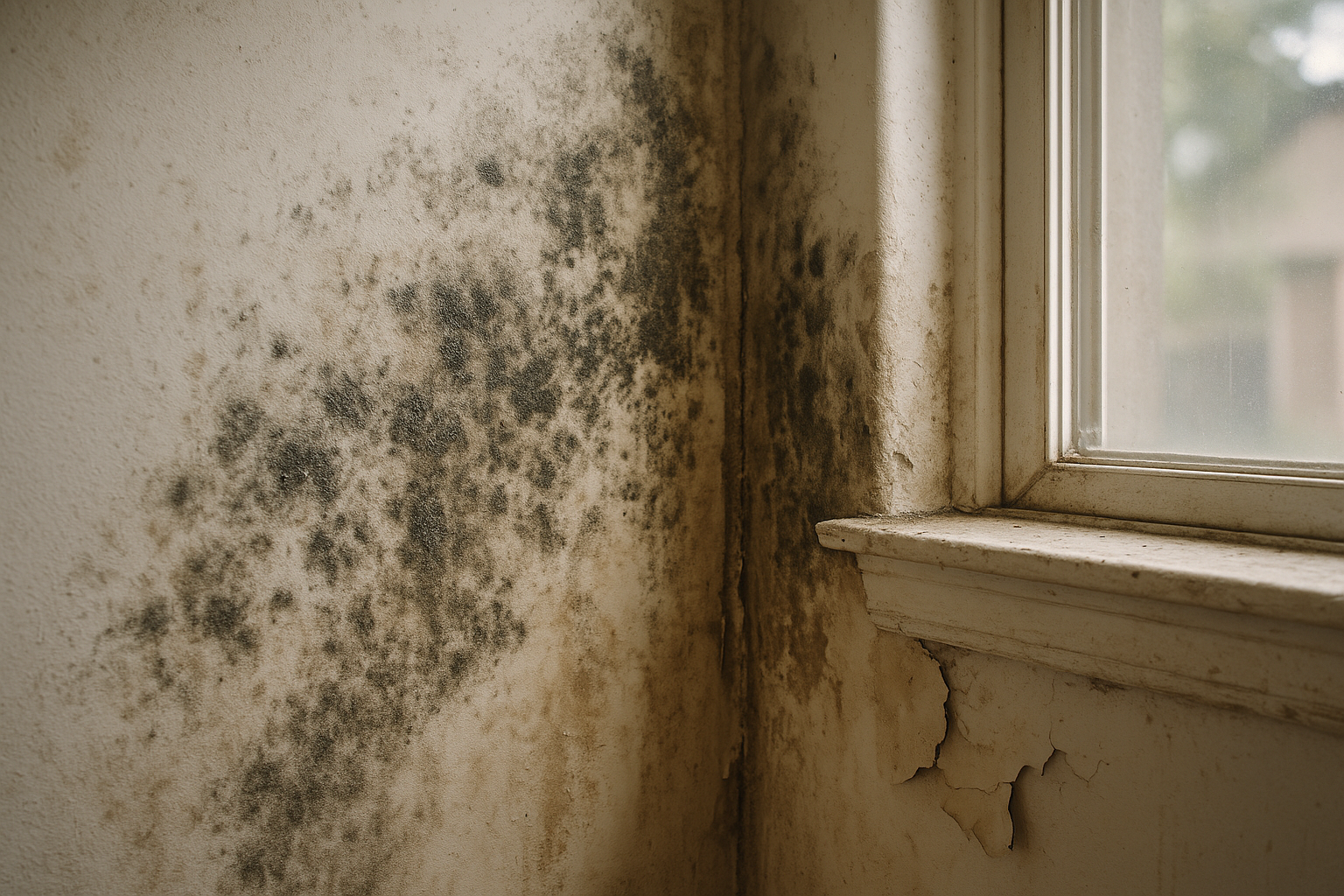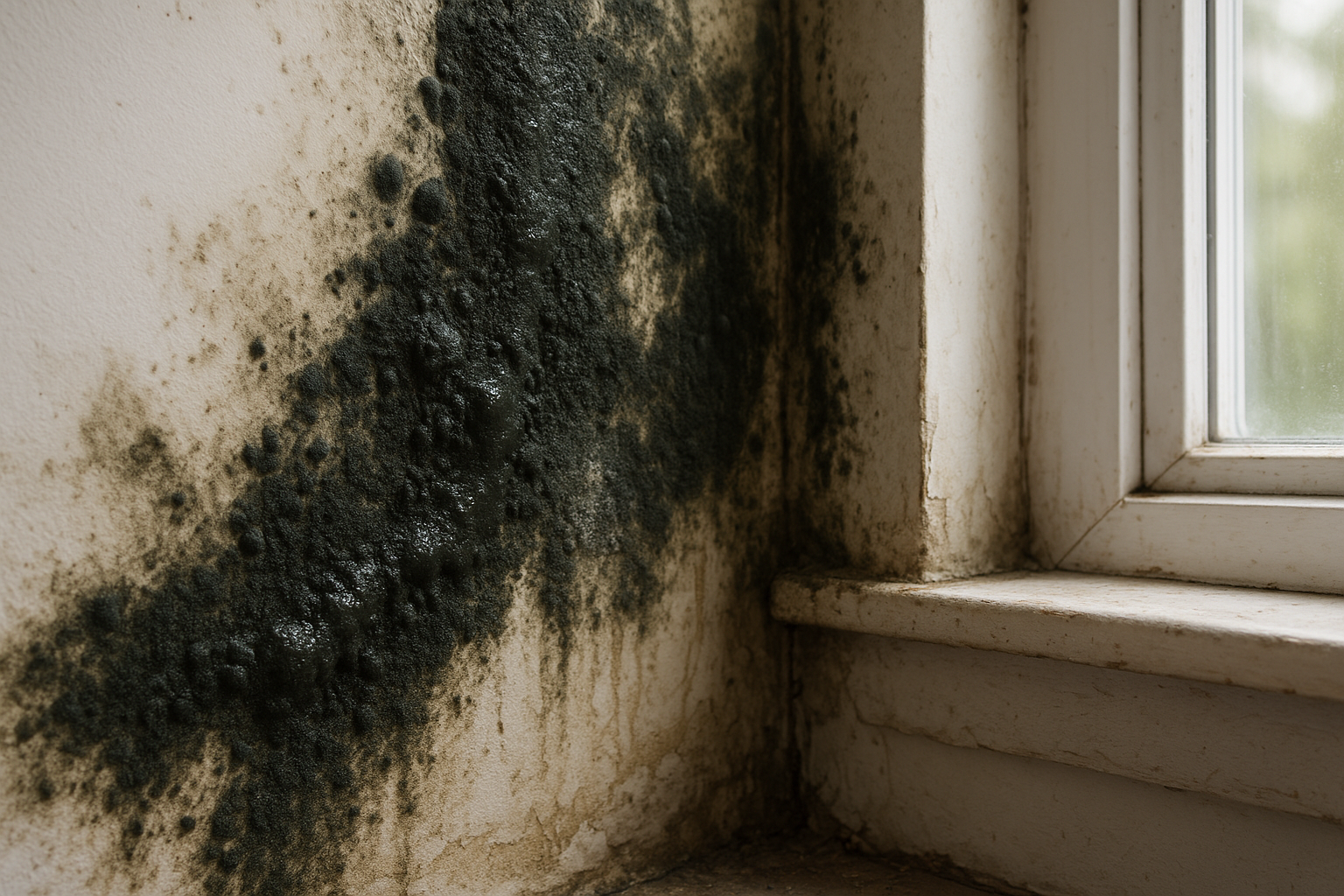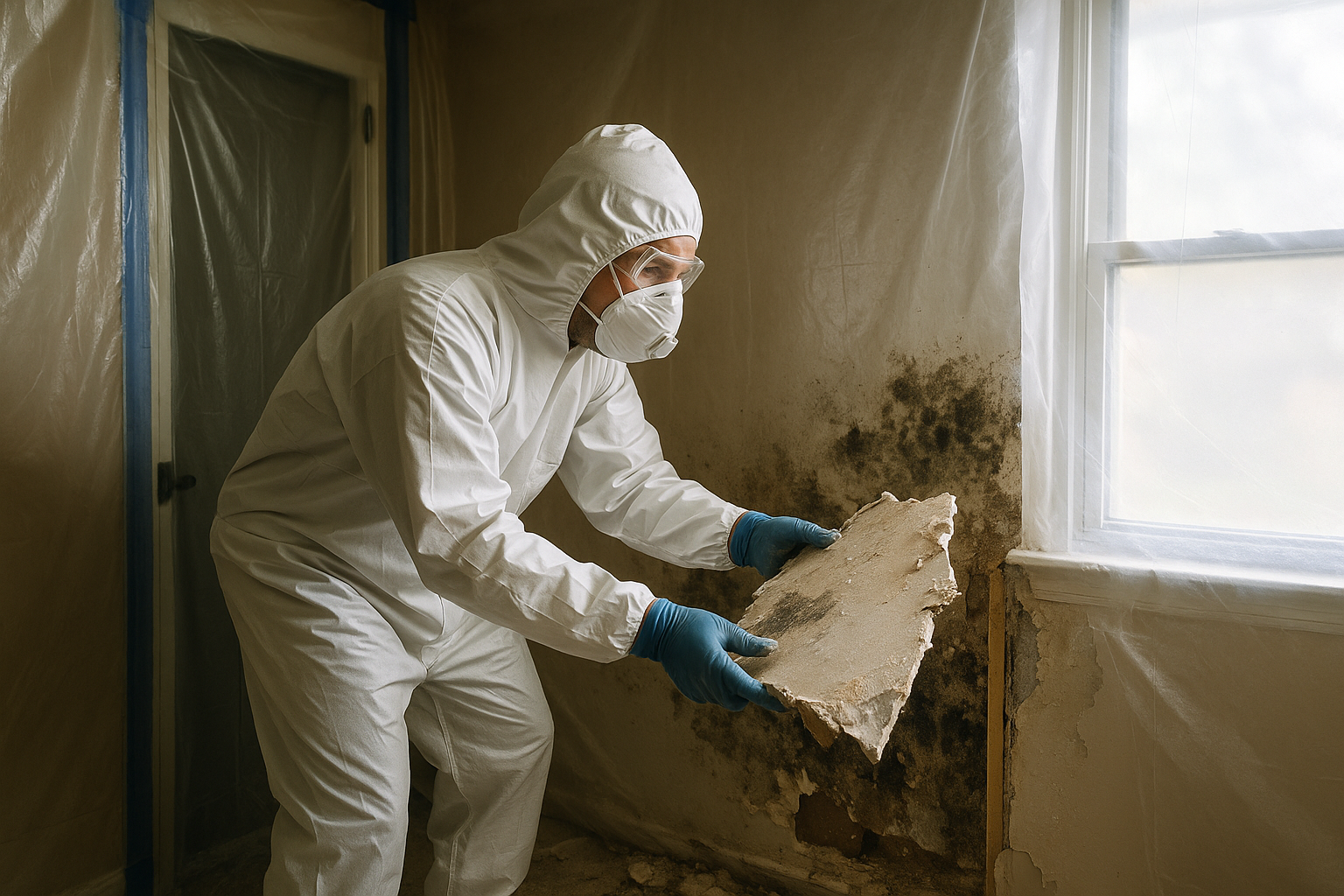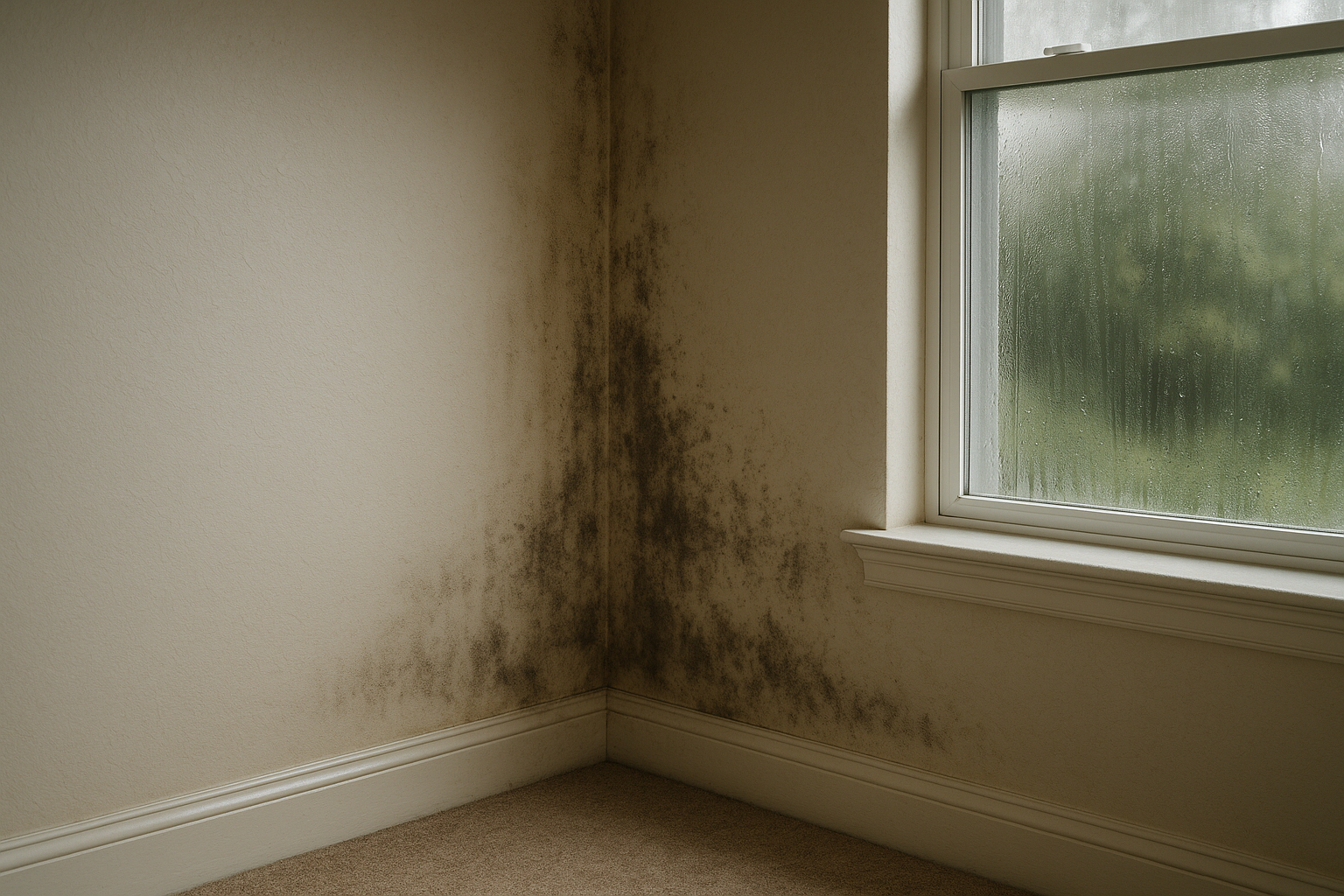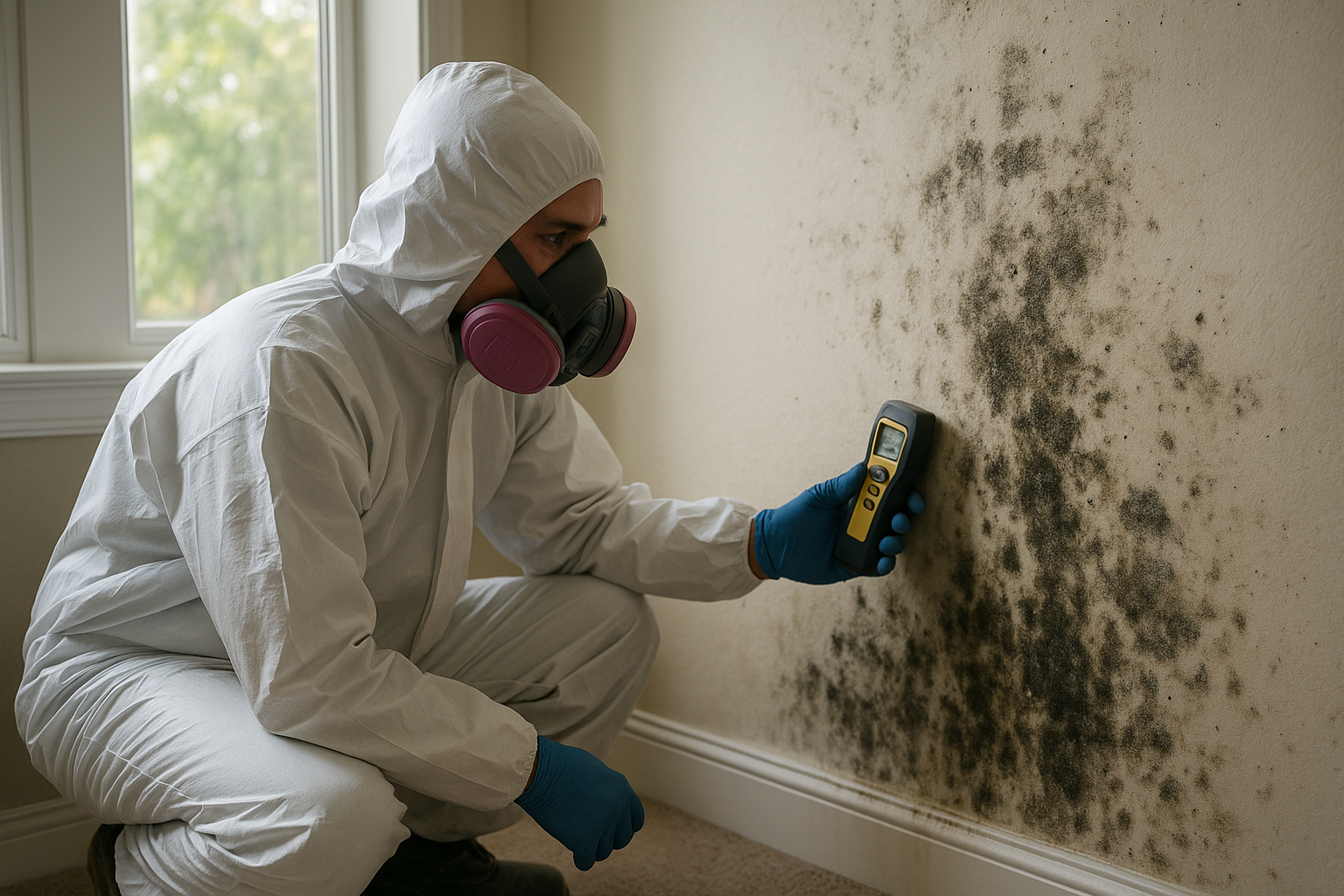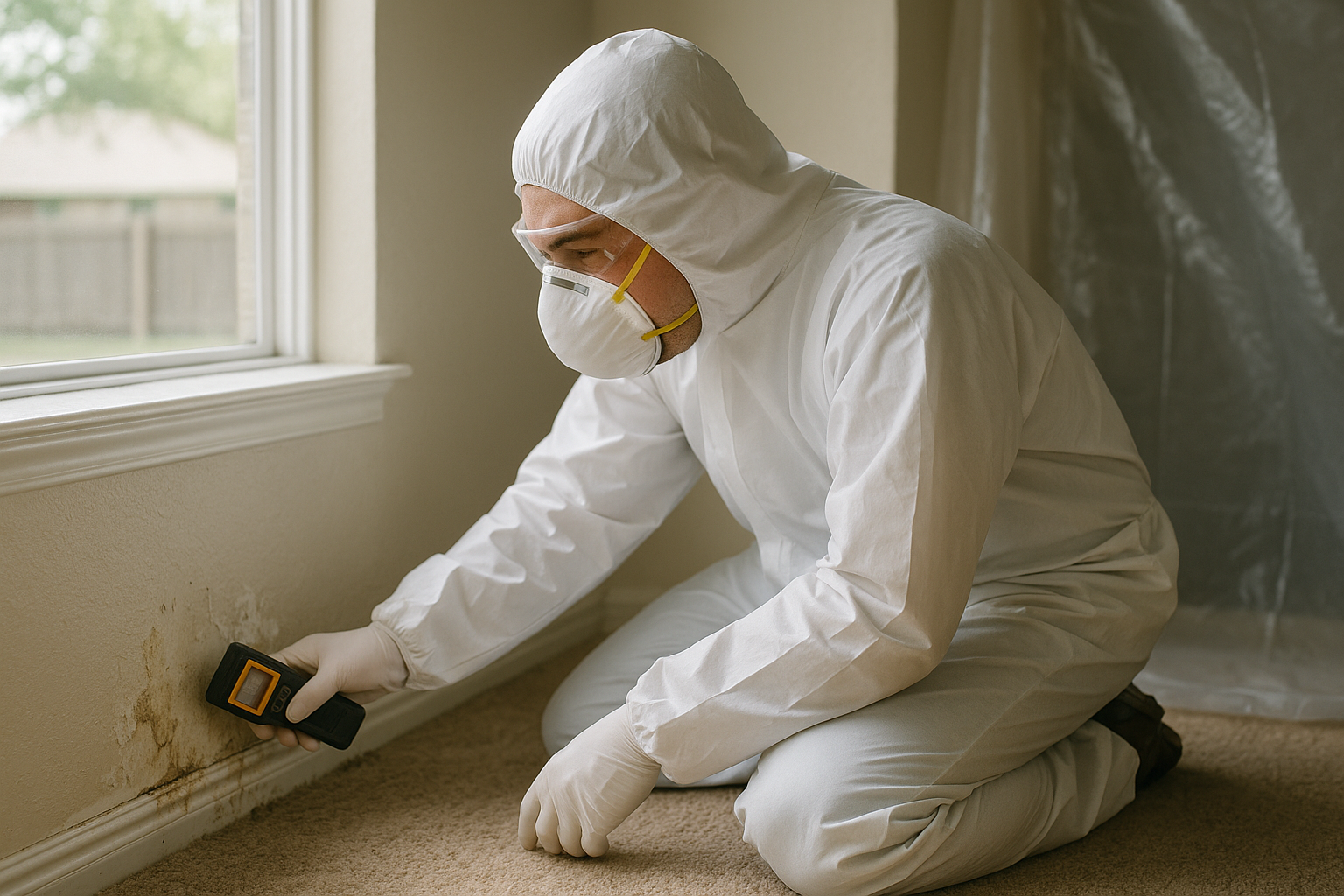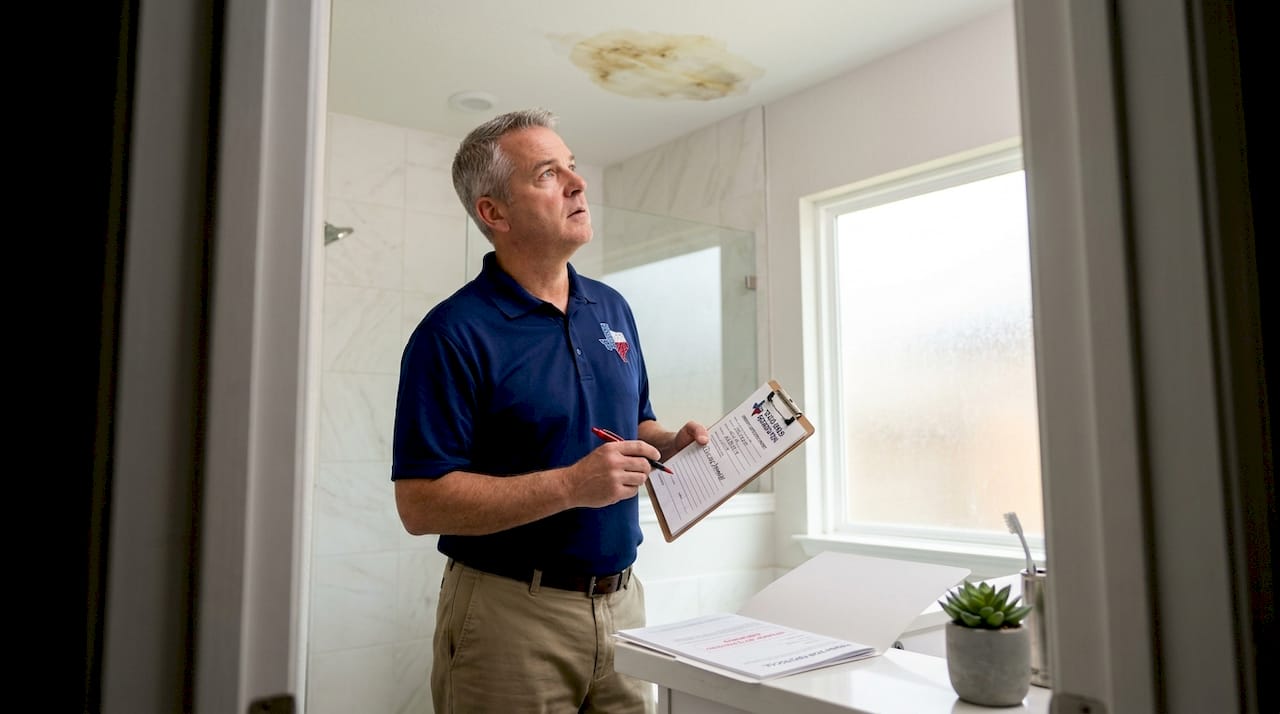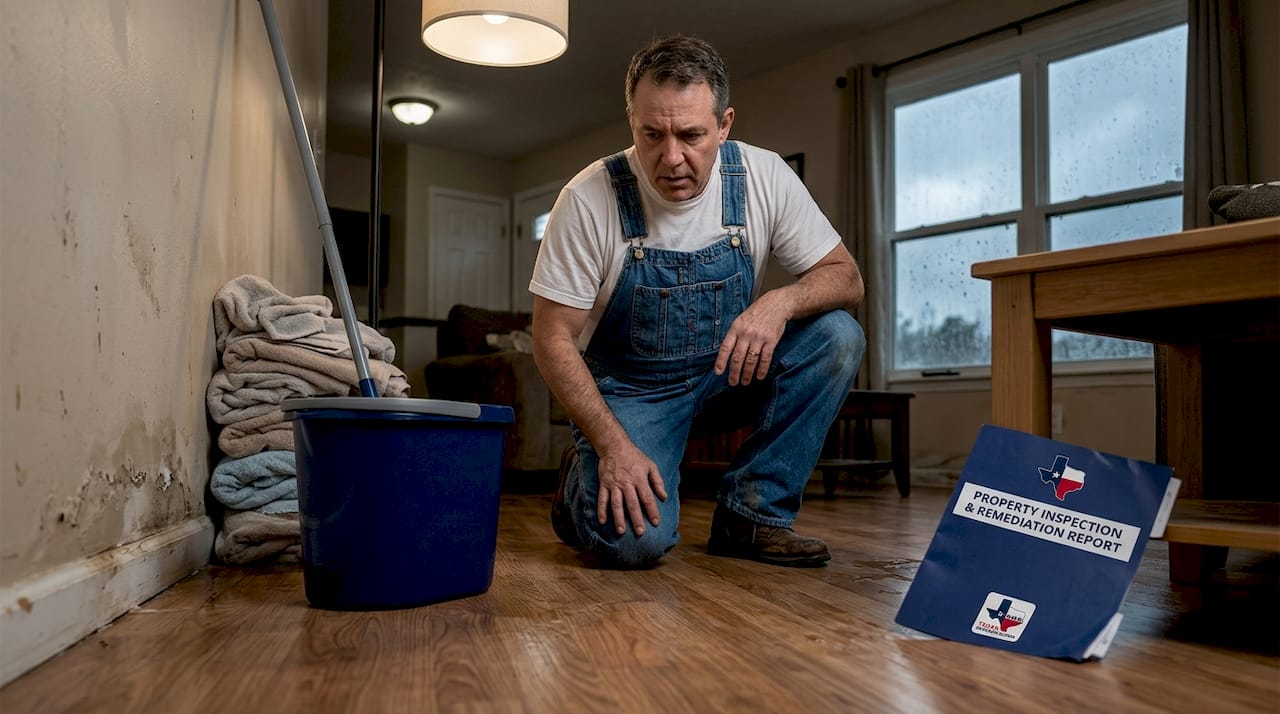

When Should You Call a Professional for Mold in Texas?
Learn when DIY mold cleanup is safe versus when Texas law and health guidance say to hire a TDLR-licensed mold professional instead.
Texas Mold RemediationSearch Your City →Home → Blog
Free guides to help Texas homeowners, tenants, and real estate professionals navigate mold remediation, licensing requirements, and Texas law.

Learn when DIY mold cleanup is safe versus when Texas law and health guidance say to hire a TDLR-licensed mold professional instead.

Mold exposure can trigger congestion, wheezing, and asthma in babies and young children. Learn the health risks, warning signs, and Texas remediation rules.

Texas law requires sellers to disclose known mold, not test for it. Learn what Property Code 5.008 requires, when disclosure is legally required, and what buyers should ask for.

Bleach only kills mold on hard, non-porous surfaces — not drywall or wood. Learn what EPA and CDC guidance says, and when Texas law requires a licensed remediator.

Choosing a Texas mold contractor? Verify their TDLR license, check for assessor/remediator separation, get a written scope, and request a signed certificate.

Texas has no standalone mold law for landlords—mold falls under the general repair-duty statute (Property Code §92.052) and TDLR's mold licensing rules. Here's what applies.

Learn how to verify a TDLR mold license in Texas step by step, understand license types, spot red flags, and confirm a contractor is legally qualified.

A Texas-specific guide to Houston mold remediation: TDLR licensing rules, real cost drivers, insurance coverage gaps, and post-flood mold risks homeowners need to know.

Learn how to verify a mold contractor's TDLR license in Texas, what license types mean, and the red flags to watch for before hiring anyone for mold work.

Learn how to verify a licensed mold remediation contractor in Dallas, what Texas law requires, typical cost ranges, and insurance basics before you hire.

Is a landlord required to fix mold in Texas? Yes, when it affects health or safety and you give proper written notice. Learn your rights, timelines, and remedies.

The most common symptoms of mold exposure include nasal congestion, coughing, wheezing, itchy eyes, and skin rash. Learn the signs, who's at risk, and next steps in Texas.

The Houston mold problem is driven by Gulf Coast humidity, storms, and AC condensation. Learn the causes, Texas mold laws, health risks, and remediation costs.

Learn how to find and verify a licensed mold contractor in your Texas county using TDLR's statewide license search, plus costs, rules, and what to check first.

Does insurance cover mold in Texas? Usually only when it follows a sudden, accidental water event. Learn coverage rules, TDLR law, costs, and next steps.

Yes—Texas requires a TDLR mold remediation license to work for the public, with a homeowner exemption. Learn the rules, thresholds, and costs for 2025.

Mold remediation in Texas typically costs $1,500–$6,000, with most homeowners paying around $2,000–$3,500. See real cost ranges, drivers, and licensing rules.

Discover the critical role of property manager mold remediation in Texas. Learn about legal responsibilities, tenant health, and effective strategies!

Discover what is sudden accidental water damage mold and how it impacts your Texas insurance claims. Protect your home and finances!

Discover essential HVAC mold risk property management tips to protect your Texas properties from costly mold issues. Stay proactive today!

Protect your investment with a solid structure mold remediation contractor contract in Texas. Learn essential tips and legal requirements today!

Learn what is clearance testing in mold remediation and why it’s crucial for ensuring your home is truly safe after mold removal in Texas.