
Home → Blog → Fort Worth Mold: What Homeowners Need to Know About Risks, Costs, and Texas Law
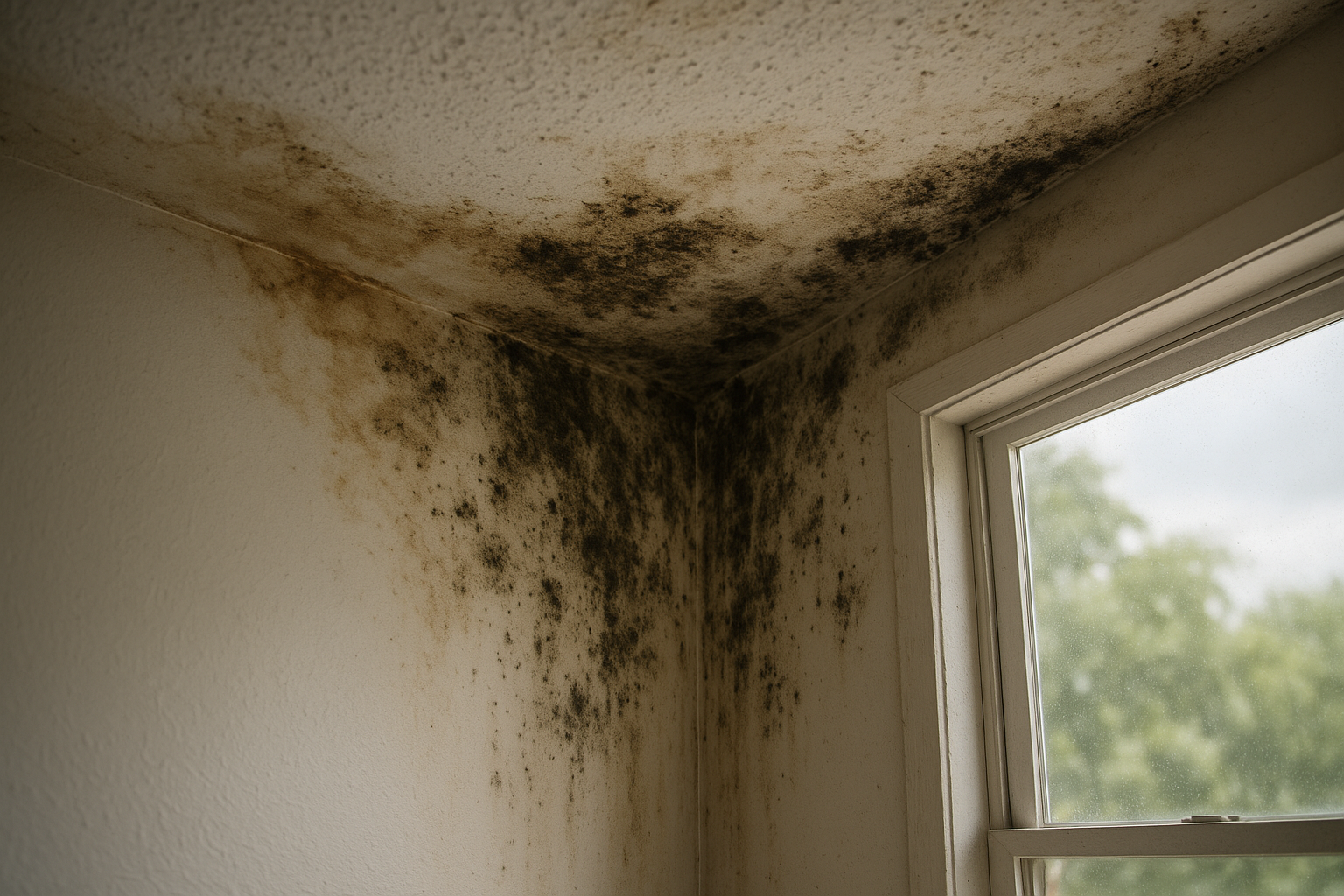
Fort Worth Mold: What Homeowners Need to Know About Risks, Costs, and Texas Law
Texas Mold Remediation Team · September 27, 2026
Written for Texas homeowners and reviewed against current TDLR mold licensing rules.
Fort Worth's hot, humid summers combined with heavy seasonal rain and North Texas's expansive clay soils create ideal conditions for indoor mold growth — especially after roof leaks, foundation-related plumbing breaks, or AC condensation problems. Texas is one of the few states that licenses mold professionals through TDLR, so verifying a contractor's license and understanding your rights as a homeowner or tenant are the first steps before spending money on inspection or removal. This guide covers what the law requires, what remediation typically costs, and when you actually need a professional.
Why does Fort Worth see so much mold?
Fort Worth sits in a humid subtropical climate zone, meaning long, muggy summers with intense heat and periodic torrential downpours or flash flooding. That moisture load stresses homes in a few predictable ways: humidity seeping into attics and wall cavities, AC systems producing condensation that isn't properly drained, and heavy rain overwhelming grading or roofing. Add North Texas's expansive clay soil, which swells and shrinks with moisture changes and is a leading cause of foundation movement and hidden slab-plumbing leaks, and you have a recipe for chronic moisture intrusion. Mold doesn't need a flood to take hold — a slow leak behind a wall or a poorly draining AC line can be enough over several weeks.
Does Texas require mold remediation companies to be licensed?
Yes. Under Texas Occupations Code Chapter 1958, the Texas Department of Licensing and Regulation (TDLR) licenses four categories of mold professionals: Mold Assessment Consultants, Mold Assessment Technicians, Mold Remediation Contractors, and Mold Remediation Workers. For most jobs above a small, de minimis size, the law requires the mold assessor and the mold remediation company to be separate, unaffiliated businesses. This independence rule exists to prevent a conflict of interest — a company that finds mold shouldn't also be the one billing you to remove it. Before hiring anyone, use TDLR's public license lookup to confirm the company and individual technicians hold active licenses, and review current program details at the TDLR mold program page.
After a licensed remediation project, the assessor is required to perform post-remediation clearance testing and issue a Certificate of Mold Remediation confirming the space passed. Keep this certificate — it's commonly requested during home sales and can matter for future disclosure obligations.
Can I just clean up small mold spots myself?
Possibly. Texas law generally exempts very small, de minimis mold jobs from licensing requirements, and the EPA's guidance offers a practical, size-based framework: patches of roughly 10 square feet or less can often be cleaned with basic precautions (gloves, an N-95 mask, and proper ventilation), while larger areas call for more containment and, eventually, professional protocols. The EPA's core message is worth repeating to every homeowner: you cannot eliminate all mold or mold spores indoors — the only reliable long-term control is managing moisture. If you're dealing with more than a small, isolated patch, or you don't know what caused the moisture in the first place, it's time to call a licensed assessor. See the EPA's mold and moisture guide for more detail.
What does mold remediation cost in Fort Worth?
Costs vary widely based on the extent of contamination, whether HVAC systems or subfloors are involved, and whether the cause (a leak, flooding, or condensation issue) has been fixed first. General industry ranges homeowners should expect:
- Inspection/assessment only: roughly $300–$700 for a visual inspection; more if air or surface sampling and lab analysis are included.
- Small, isolated removal (a bathroom or closet): roughly $500–$1,500.
- Moderate remediation (multiple rooms, moderate infestation): roughly $1,500–$6,000.
- Large-scale remediation (whole-house, HVAC contamination, structural or subfloor mold, flood-related damage): $10,000–$30,000 or more.
These are broad ranges, not quotes — always get a written scope of work and itemized estimate from a licensed contractor before agreeing to any job. You can search the Texas mold remediation directory to compare licensed providers, or use the find a licensed contractor tool to locate one near Fort Worth.
Will my homeowners insurance cover mold damage?
It depends heavily on the cause. Texas homeowners policies generally offer only limited mold coverage, a change that followed a wave of high-profile mold litigation in the early 2000s. In practice:
- Mold resulting from a sudden, accidental covered event — like a burst pipe — may have limited coverage, often subject to a capped dollar amount unless you've purchased additional mold endorsement coverage.
- Mold from long-term leaks, deferred maintenance, high humidity, or flooding is typically excluded from standard policies. Flood-related mold requires separate flood insurance through the NFIP or a private flood carrier — an important distinction for homeowners in flood-prone North Texas neighborhoods.
Coverage sublimits and endorsement options vary by carrier and change over time, so confirm current terms directly with your insurer or the Texas Department of Insurance before assuming you're covered.
What are landlords and sellers required to disclose about mold?
Texas doesn't have a mold-specific tenant or disclosure statute, but existing property law covers related ground. Under the Texas Property Code, sellers of residential property must complete a Seller's Disclosure Notice covering known material defects — which includes known mold issues, prior water damage, or flooding history. Separately, landlords have a general duty to repair conditions that materially affect a tenant's health or safety once they've received proper written notice, a duty that can extend to mold caused by an unaddressed leak or moisture intrusion, even without a mold-specific statute. Tenants dealing with unaddressed mold should document the problem in writing and follow the formal notice procedures under the Property Code's landlord-repair provisions.
What health effects can Fort Worth mold cause?
According to the CDC, mold exposure can trigger allergic reactions, worsen asthma, and cause other respiratory symptoms, with elevated risk for people who have mold allergies, asthma, or chronic lung conditions. The CDC's practical prevention advice is directly relevant to Fort Worth's climate: fix leaks and water problems as soon as they're discovered, and keep indoor humidity in the commonly recommended 30–50% range using air conditioning and dehumidifiers, especially during humid summer months. More detail is available from the CDC's mold and health resources.
How do I find a licensed mold professional in Fort Worth?
Start by confirming license status on TDLR's public lookup tool, ask whether the assessor and remediator are independent companies (required for most licensable jobs), and request a written scope of work along with a post-remediation Certificate of Mold Remediation once the job is complete. You can compare licensed Fort Worth-area providers through the Texas mold remediation directory or use the contractor search tool to get started.
This article is general information for Texas homeowners, not legal, medical, or insurance advice. Costs, rules, and coverage vary by property and change over time — verify details with a licensed professional and current TDLR guidance before acting.
Find a Licensed Mold Contractor in Your Area
Search by city to find TDLR-verified mold remediation contractors near you.
Search Your City →