
Home → Blog → Is Black Mold Dangerous to Your Health? What Texas Homeowners Need to Know
Is Black Mold Dangerous to Your Health? What Texas Homeowners Need to Know
Texas Mold Remediation Team · September 23, 2026
Written for Texas homeowners and reviewed against current TDLR mold licensing rules.
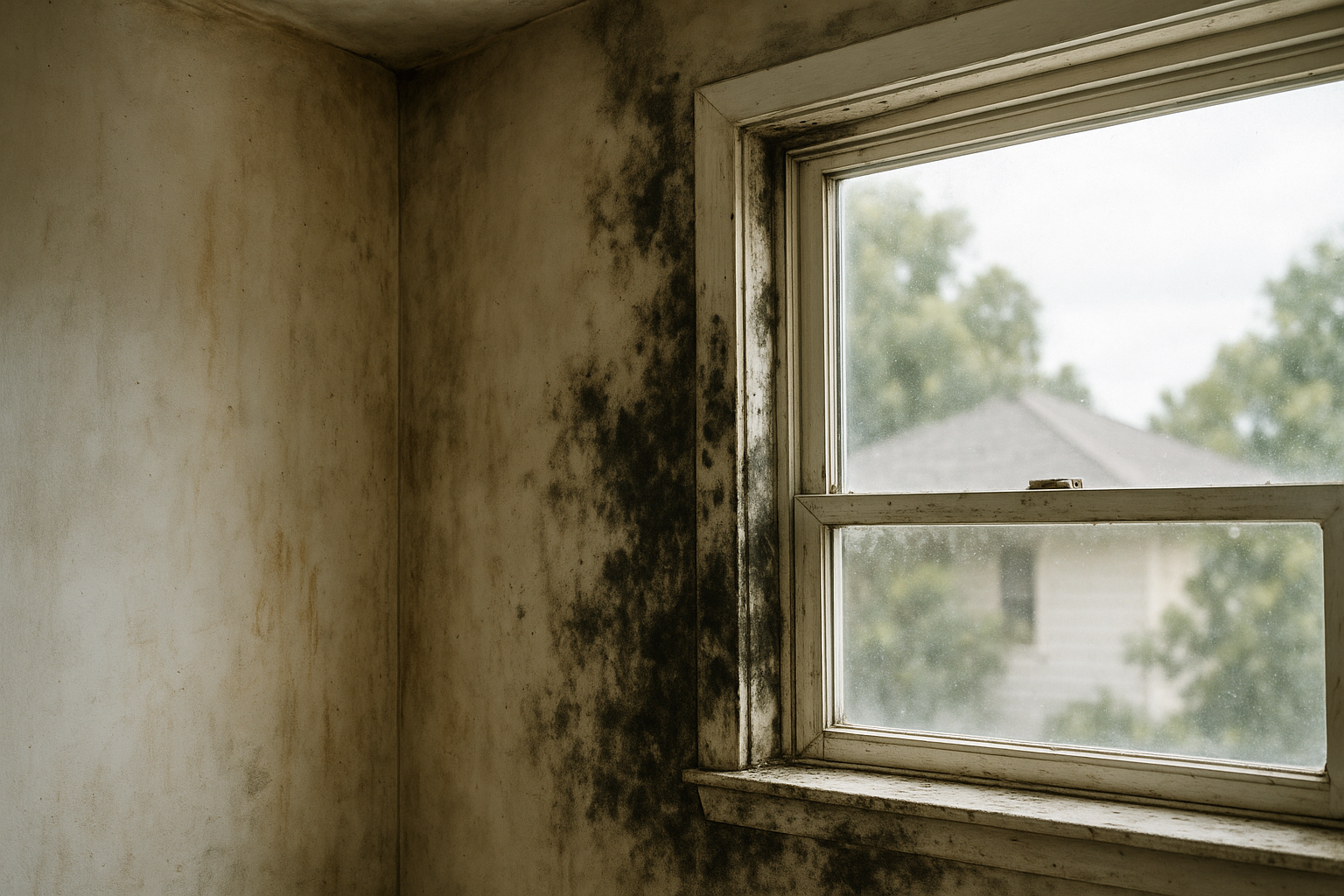
Black mold is not proven to be more toxic than other common indoor molds, but that doesn't mean it's safe. Any mold growing indoors — black, green, or white — can trigger allergic reactions, respiratory irritation, and asthma flare-ups, and the real health risk depends more on how much you're exposed to and how sensitive you are than on the color of the mold. If you can see or smell mold in your Texas home, health agencies agree it should be cleaned up regardless of which species it is.
The term "black mold" usually refers to Stachybotrys chartarum, a dark, slimy-looking mold that thrives on chronically wet materials like drywall, insulation, and ceiling tiles. It became infamous in the 1990s and 2000s over fears it caused severe illness, but subsequent research from the CDC and EPA has not confirmed that it's uniquely dangerous compared to other molds commonly found indoors.
What does "black mold" actually mean?
Stachybotrys chartarum is the species most people mean when they say "black mold," but plenty of other molds also appear black, dark green, or gray — including some strains of Cladosporium and Aspergillus. Color alone is not a reliable way to identify mold species or estimate danger. A lab test can confirm species, but the EPA and CDC both note that identifying the exact species usually isn't necessary to decide whether remediation is needed — visible mold growth of any kind should be removed.
Is black mold more dangerous than other types of mold?
According to current CDC guidance, there is no scientific consensus that Stachybotrys chartarum causes more severe health effects than other common indoor molds. Some earlier reports linked it to serious symptoms in infants, but those findings were not conclusively replicated in later studies. The practical takeaway for homeowners: treat any indoor mold growth as a problem worth addressing promptly, rather than waiting to confirm it's the "toxic" kind.
What health symptoms can mold exposure cause?
Mold exposure symptoms are typically allergic or irritant in nature rather than acutely toxic. Common effects reported by the CDC and EPA include:
- Nasal and sinus congestion
- Coughing, wheezing, or throat irritation
- Eye irritation or watery eyes
- Skin irritation or rashes
- Worsening of existing asthma symptoms
- Triggering of allergic reactions in mold-sensitive individuals
People with asthma, chronic respiratory conditions, allergies, or weakened immune systems are generally at higher risk of noticeable symptoms from mold exposure. Infants, older adults, and those with underlying lung disease should be especially cautious around visible mold or musty odors.
Do I need to test for mold before removing it?
Usually not. Both the CDC and EPA guidance state that if you can see or smell mold, testing isn't required to decide whether remediation is necessary — the mold should simply be removed and the moisture source fixed. Testing may still be useful in specific situations, such as verifying a job was completed successfully, documenting conditions for a real estate transaction, or investigating unexplained symptoms when no mold is visible. In those cases, a licensed Texas mold assessor can perform sampling and provide a written report.
How does Texas regulate mold assessment and remediation?
Texas is one of the few states with a dedicated licensing program for mold work. Under Texas Occupations Code Chapter 1958, anyone performing mold assessment or remediation professionally must hold a license from the Texas Department of Licensing and Regulation (TDLR). License categories include mold assessment consultants and technicians, and mold remediation contractors and workers.
A significant consumer protection built into Texas law: the company that assesses the mold (determines the scope of the problem) generally cannot also perform the remediation (the cleanup) on the same job when they share a financial interest. This separation is intended to prevent a conflict of interest where a company might exaggerate the scope of work needed. When hiring for mold issues in your home, confirm that any assessor or remediator is currently licensed through TDLR's public license search before signing a contract.
Small, isolated mold jobs below a certain size may fall under a de minimis exemption from licensing requirements — but the exact square-footage threshold and conditions should be confirmed directly with TDLR, since program rules are periodically updated. When in doubt, work with a licensed professional rather than relying on an exemption.
Will homeowners insurance cover mold remediation in Texas?
It depends on the cause. Standard Texas homeowners policies typically exclude mold damage that results from long-term leaks, humidity, or lack of maintenance. Mold caused by a sudden, accidental covered event — such as a burst pipe — may be covered, though many policies apply a separate, lower sublimit specifically for mold-related cleanup costs, which can leave homeowners with significant out-of-pocket expense. Flood-related mold (from rising water rather than a plumbing failure) is generally excluded from homeowners policies entirely and falls under separate flood insurance. Before assuming a claim will be covered, review your policy's mold provisions or contact the Texas Department of Insurance for consumer guidance, and get details in writing from your carrier before starting remediation work.
How much does mold remediation cost in Texas?
Costs vary widely based on the extent of contamination, whether HVAC systems are involved, and materials that need removal and replacement. As a general range, small isolated mold jobs (a single bathroom or closet) often run at the lower end of a few hundred to a couple thousand dollars, while whole-room or multi-room remediation with drywall and insulation removal can run into the several-thousand-dollar range. Large-scale jobs involving HVAC contamination, structural drying, or extensive water damage — more common after flooding events in Gulf Coast and flood-prone Texas metros — can cost significantly more. Because Texas's humid climate creates ongoing conditions for regrowth, get a written scope of work and a fixed price estimate before authorizing remediation, and confirm the contractor is TDLR-licensed.
What should Texas homeowners do if they find black mold?
First, identify and fix the moisture source — mold will return if the underlying leak or humidity problem isn't resolved. Small areas (roughly the size of a bath towel or smaller) can sometimes be cleaned with household products by a healthy adult wearing gloves and a mask, per EPA guidance. Larger areas, mold behind walls, mold involving HVAC systems, or mold affecting a household member with respiratory issues generally call for a licensed remediation professional. You can search for a licensed contractor through the Texas Mold Remediation directory search or browse the full Texas mold remediation directory to compare licensed assessors and remediators in your area.
Is black mold dangerous enough to move out of the house?
For most homeowners, mold exposure causes irritant and allergic symptoms rather than a medical emergency requiring evacuation. However, individuals with severe asthma, compromised immune systems, or chronic lung conditions should talk to a doctor about temporary relocation during extensive remediation work, particularly if demolition will disturb large areas of contaminated material. If anyone in the household is experiencing severe or worsening respiratory symptoms, seek medical attention and mention the mold exposure to your provider.
This article is general information for Texas homeowners, not legal, medical, or insurance advice. Costs, rules, and coverage vary by property and change over time — verify details with a licensed professional and current TDLR guidance before acting.
Find a Licensed Mold Contractor in Your Area
Search by city to find TDLR-verified mold remediation contractors near you.
Search Your City →