
Home → Blog → Can You Break a Lease Because of Mold in Texas?
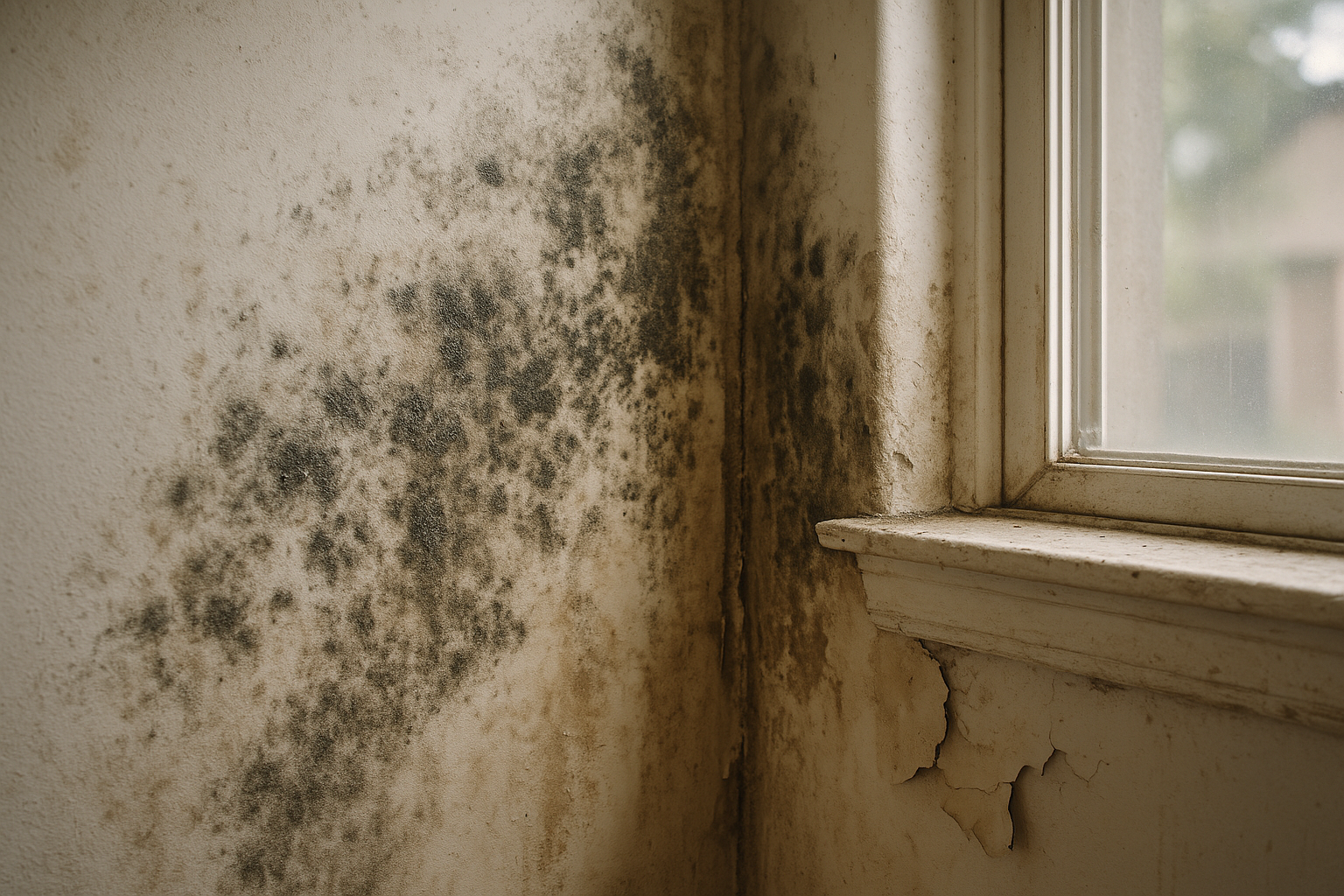
Can You Break a Lease Because of Mold in Texas?
Texas Mold Remediation Team · September 21, 2026
Written for Texas homeowners and reviewed against current TDLR mold licensing rules.
Yes, but only if you follow the process Texas law requires. Texas has no law that lets a tenant break a lease the moment mold appears. Instead, tenants must give the landlord written notice of the mold, wait a reasonable time for repairs (presumed to be 7 days, though this can vary with severity), and only then terminate the lease if the landlord fails to fix it. Skip these steps and you risk being on the hook for rent even after you move out.
This right comes from the Texas Property Code, not from a general "habitability" doctrine — Texas courts don't recognize an implied warranty of habitability the way many other states do. That makes documentation and timing especially important for Texas renters dealing with mold.
What does Texas law actually say about breaking a lease for mold?
The relevant law is Texas Property Code Chapter 92, Subchapter B — the landlord's duty to repair or remedy. There's no separate "mold statute." Mold falls under the broader category of conditions that "materially affect the physical health or safety of an ordinary tenant" (§92.052).
- §92.052 — requires the landlord to repair or remedy conditions materially affecting health or safety once properly notified.
- §92.053 — a landlord generally cannot make a tenant waive this repair right in the lease itself.
- §92.056 — spells out the conditions a tenant must meet before terminating the lease or pursuing other remedies.
- §92.0561 — outlines what a tenant can recover if they terminate: pro-rated rent refund, security deposit, actual moving costs, and possibly court costs and attorney's fees if it goes to court.
What steps must a tenant follow before terminating the lease?
Under §92.056, a tenant generally must satisfy four conditions before they can lawfully terminate over a mold condition:
- Give notice. Written notice to the landlord specifying the mold problem is always the safest route, even if the lease technically allows oral notice.
- The condition must materially affect health or safety. Cosmetic mildew on a shower curtain isn't the same as active mold growth tied to a moisture problem.
- Wait a reasonable time for repair. The statute creates a rebuttable presumption that 7 days is reasonable, but courts can find that too short (e.g., for extensive remediation) or too long (e.g., for a severe, spreading problem).
- Be current on rent. A tenant who's behind on rent when they give notice generally loses these statutory remedies.
If all four boxes are checked and the landlord still hasn't acted, the tenant can move to terminate under §92.0561 — but the paperwork trail (dated written notice, photos, any inspection reports) is what protects the tenant if the landlord disputes the move-out later.
How is "reasonable time" to repair mold defined?
Texas law doesn't give a hard deadline for mold specifically — it uses the general 7-day presumption from §92.056, which applies to repair issues broadly. In practice, a small bathroom mold patch might reasonably take a few days to remediate, while extensive attic or whole-house contamination requiring a licensed assessment and remediation protocol could reasonably take longer. Because this is a "presumption," not a fixed rule, either side can argue the actual reasonable timeframe based on the scope of the problem.
What happens if the landlord doesn't fix the mold?
If the landlord fails to repair within a reasonable time after proper written notice, §92.0561 gives the tenant several options, including:
- Terminating the lease and moving out, with a right to a pro-rated refund of prepaid rent and the security deposit;
- Recovering actual, reasonable moving costs;
- Suing for repair, cost of repair, or damages, plus possible court costs and attorney's fees;
- In some cases, using a "repair and deduct" remedy — but this option has strict notice and cost limitations and is riskier to execute without documentation.
Tenants who terminate this way are also protected from landlord retaliation. Under §92.061, a landlord cannot evict, raise rent, or refuse to renew a lease within six months of a tenant's good-faith complaint about a repair issue like mold.
Does the mold remediation have to be done by a licensed professional?
Sometimes — it depends on the size of the affected area. Texas regulates mold work through the Texas Department of Licensing and Regulation (TDLR) under Occupations Code Chapter 1958 and its administrative rules (16 TAC Chapter 78). The key threshold homeowners and tenants should know:
- More than 25 contiguous square feet of visible mold generally requires a licensed Mold Assessment Consultant to inspect and write a remediation protocol, a licensed Mold Remediation Contractor to do the work, an independent post-remediation clearance inspection, and a Certificate of Mold Damage Remediation once the area passes.
- 25 square feet or less generally doesn't require a license to perform the work.
- There's a narrower exemption for owner-occupied, single-family homeowners doing their own work — this exemption doesn't automatically extend to landlords handling rental property, so a landlord's DIY "fix" on a rental may not meet TDLR requirements.
If a landlord's remediation skipped licensed assessment, clearance testing, or the certificate process for a job that should have required it, that's concrete, verifiable evidence a tenant can use to argue the repair wasn't actually completed properly — which can support a lease-termination or repair-and-deduct claim. You can review TDLR's mold program details directly on the TDLR mold licensing page or the statute itself at Texas Occupations Code Chapter 1958.
How much does mold remediation cost in Texas?
Costs vary widely with scope and whether licensed professionals are required:
- Small, localized mold (bathroom, under-sink): roughly $500–$1,500
- Moderate mold in a room or HVAC-related contamination: roughly $1,500–$6,000
- Extensive or whole-house remediation (flood damage, hidden wall/attic mold): $6,000–$30,000+
- A licensed mold assessment/inspection alone (required above the 25 sq ft threshold): commonly $300–$800
These are general market ranges, not fixed prices — get quotes from licensed local contractors for an accurate estimate. You can find a licensed mold remediation contractor near you or browse the full Texas mold remediation directory to compare options.
Does renters or homeowners insurance cover mold in Texas?
Usually only in limited circumstances. Standard policies typically cover mold if it resulted from a sudden, covered peril — like a burst pipe — but not if it stems from long-term humidity, leaks, or neglected maintenance. Coverage details vary by policy and insurer, so tenants and landlords should check their specific policy language and consult the Texas Department of Insurance for consumer guidance.
What health guidance should tenants know about mold exposure?
Federal health agencies focus on cleanup, not testing. Neither the EPA nor the CDC generally recommends routine mold air sampling, because there's no established numeric exposure standard, and results rarely change the recommended fix: remove the mold and correct the moisture source. Commonly cited health effects include allergic and respiratory irritation, coughing, wheezing, eye or skin irritation, and worsened asthma symptoms. See the EPA's mold and moisture guide and CDC mold and health information for more detail. A tenant doesn't need a doctor's diagnosis to invoke repair rights under Chapter 92 — but documenting symptoms and photographing visible mold strengthens the case.
What should a tenant do first if they find mold?
Before anything else: photograph the mold and any water source, send written notice to the landlord describing the location and extent of the problem, keep a copy and proof of delivery, and continue paying rent on time while the repair window runs. If the landlord doesn't respond within a reasonable time, that documentation is what makes a lease-termination or legal claim actually enforceable.
This article is general information for Texas homeowners, not legal, medical, or insurance advice. Costs, rules, and coverage vary by property and change over time — verify details with a licensed professional and current TDLR guidance before acting.
Find a Licensed Mold Contractor in Your Area
Search by city to find TDLR-verified mold remediation contractors near you.
Search Your City →