
Home → Blog → Where Does Mold Grow in Texas Homes? Common Hotspots Explained
Where Does Mold Grow in Texas Homes? Common Hotspots Explained
Texas Mold Remediation Team · September 1, 2026
Written for Texas homeowners. Licensing claims should be checked against current TDLR mold rules and the statutes they reference. This is general information, not a substitute for professional advice.
Mold in Texas homes grows most commonly in and around AC systems (evaporator coils, ductwork, drip pans), attics, bathrooms, under sinks, window sills, and crawl spaces or foundation perimeters. These are the spots where Texas's combination of extreme heat, high humidity, and heavy air-conditioning use creates the condensation and moisture that mold needs to take hold. Coastal and flood-prone areas face additional risk after tropical storms and heavy rain events.
Understanding these hotspots helps homeowners catch problems early, before a small moisture issue becomes a costly remediation job. Below is a room-by-room and system-by-system breakdown of where mold typically shows up in Texas houses, along with what causes it and when to call a licensed professional.
Why Is Texas So Prone to Mold Growth?
Mold needs moisture, warmth, and organic material (drywall, wood, dust) to grow—and Texas offers all three in abundance for much of the year. The Gulf Coast, Houston, Beaumont, and San Antonio regions combine long stretches of high humidity with intense heat, which forces air conditioning systems to run almost constantly. That constant cooling creates condensation wherever warm, moist air meets a cold surface—inside ductwork, on AC coils, and on window glass. Meanwhile, North and Central Texas homes sit on expansive clay soils that swell and shrink with moisture changes, often leading to foundation cracks and water intrusion around slab perimeters and crawl spaces. Add in seasonal hurricanes and tropical storms along the coast, and Texas ends up with several distinct pathways for mold growth that don't necessarily overlap with mold risks in drier or cooler states.
Do Air Conditioning Systems Cause Mold in Texas Homes?
Yes—AC systems are one of the most common sources of hidden mold growth in Texas houses. Because the system is constantly removing humidity from indoor air, condensation naturally forms on evaporator coils and inside ductwork. If drain lines clog, drip pans overflow, or ducts stay damp in a warm attic, mold can colonize quickly and get circulated through the home's air. Warning signs include a musty smell when the AC kicks on, visible dark spots near vents, or water stains around the air handler. Because coils and ducts are enclosed, this type of mold often goes unnoticed until it's already widespread.
Why Does Mold Grow in Texas Attics?
Texas attics regularly reach extreme temperatures in summer, and if ventilation is inadequate, heat and humidity get trapped under the roofline. Combine that with even a small roof leak, damaged flashing, or a poorly sealed vent boot, and you have the moisture source needed for mold to spread across rafters, insulation, and roof decking. Attics are also easy to overlook because homeowners rarely go up there, so leaks can persist for months before anyone notices staining or a musty odor from below.
Which Bathroom Spots Are Most Vulnerable to Mold?
Bathrooms are a near-universal mold risk because they combine high humidity from showers and baths with often-inadequate ventilation. In Texas homes, the most common trouble spots are:
- Shower and tub grout lines, caulking, and the drywall behind tile
- Exhaust fans that are too weak or rarely used, allowing steam to linger
- Areas around toilet bases and under vanities where slow leaks go unnoticed
Running the exhaust fan during and after showers, and fixing any caulking gaps promptly, significantly reduces this risk.
Why Do Sinks and Plumbing Areas Grow Mold So Often?
Under kitchen and bathroom sinks, mold typically follows a slow, hidden leak around supply lines, drain traps, or garburator connections. Because the space under a sink is dark, enclosed, and rarely inspected, a small drip can sustain mold growth on cabinet wood and flooring for weeks before it's noticed by smell or visible staining. Any plumbing penetration through a wall or floor—including where pipes pass through slab foundations—is a similar risk point.
Why Do Window Sills Grow Mold in Texas?
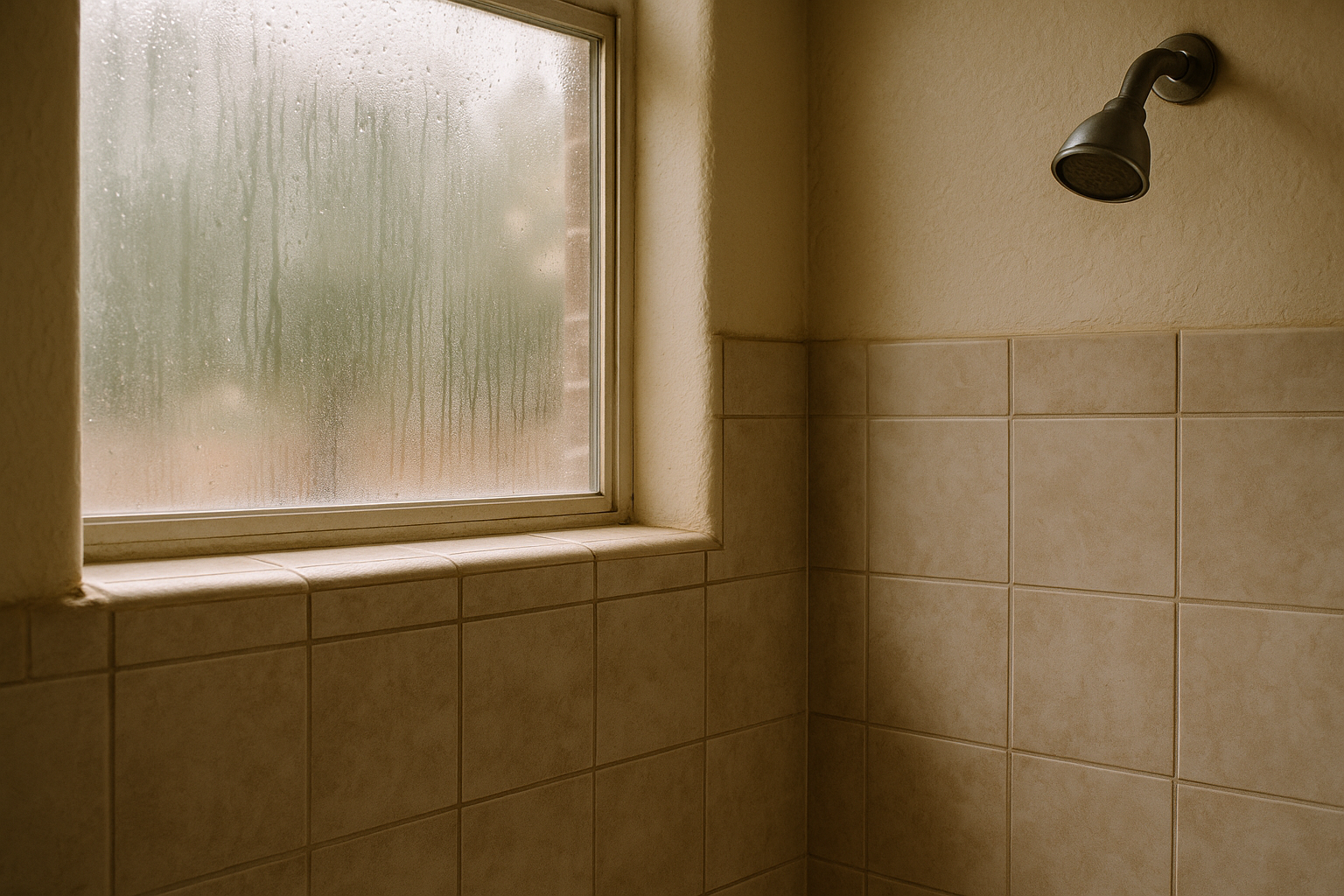
Texas's sharp swings between cool, air-conditioned indoor air and hot, humid outdoor air create condensation on window glass and frames, especially in older single-pane windows or homes with poor sealing. That condensation collects on sills and in window tracks, and if it isn't wiped away, mold can develop on wood trim, caulking, and nearby drywall.
How Do Foundations and Crawl Spaces Contribute to Mold Growth?
Much of North and Central Texas sits on expansive clay soil that shifts with moisture content, which can crack slab foundations and create paths for groundwater intrusion. Homes with crawl spaces face additional risk from poor drainage, missing vapor barriers, or standing water after heavy rain. Behind brick veneer exteriors, clogged or missing weep holes can trap moisture inside wall cavities, leading to mold growth that's invisible from either the interior or exterior until drywall is opened up.
How Does Flooding Affect Mold Risk in Texas?
Coastal and Houston-area homes face a distinct mold risk tied to hurricane season, roughly June through November. Storms like Hurricane Harvey demonstrated how quickly widespread flooding can lead to mass mold contamination across thousands of homes, often within just 24–48 hours of water intrusion. The EPA notes that drying out water damage within that same 24–48 hour window is the most effective way to prevent mold from becoming established after a flood or major leak (EPA mold guide). Homeowners in flood-prone areas should have a plan for rapid water extraction and drying before storm season each year.
When Should You Call a Licensed Mold Professional in Texas?
If mold covers a large area, keeps returning after cleaning, or is linked to a hidden leak you can't easily access (like inside walls, ductwork, or a crawl space), it's time to call a professional. Texas regulates mold work through the Texas Department of Licensing and Regulation (TDLR) under Texas Occupations Code Chapter 1958. For larger jobs, Texas rules have generally required a licensed mold assessor to inspect the property and write a remediation protocol, with a separately licensed mold remediation contractor performing the actual cleanup—these are typically required to be different companies to avoid conflicts of interest (TDLR mold program, Texas Occupations Code Chapter 1958). Homeowners doing remediation on their own property are generally exempt from needing a license themselves, but hiring unlicensed contractors for larger jobs can create legal and insurance complications.
You can search for a licensed mold contractor near you or browse the full Texas mold remediation directory to compare licensed assessors and remediation companies before starting a project.
What Does Mold Remediation Typically Cost in Texas?
Costs vary widely based on the size and location of the affected area. Small, contained mold problems—like a single bathroom wall—may run a few hundred dollars, while whole-house remediation after a flood or major leak can reach several thousand dollars. Industry sources commonly cite per-square-foot pricing in the general range of $10–$25, though large flood-related jobs can run significantly higher due to the extent of demolition and drying required. Getting a written scope from a licensed assessor before hiring a remediation contractor helps avoid unnecessary costs.
Are There Health Risks from Mold in Texas Homes?
The CDC notes that mold exposure can trigger allergic reactions, asthma flare-ups, and general respiratory irritation, with elevated risk for people who have asthma, mold allergies, or weakened immune systems (CDC mold and health). Neither the CDC nor the EPA generally recommends routine mold testing when mold is already visible—the priority is identifying and fixing the moisture source, then removing the mold itself.
Does Homeowners Insurance Cover Mold Damage in Texas?
Coverage typically depends on the cause. Mold resulting from a sudden, covered peril—like a burst pipe—is more likely to be covered, while mold linked to ongoing humidity, slow leaks, or deferred maintenance is often excluded or capped under standard homeowners policies. Homeowners should review their specific policy language and consult the Texas Department of Insurance for consumer guidance on mold-related claims (Texas Department of Insurance).
This article is general information for Texas homeowners, not legal, medical, or insurance advice. Costs, rules, and coverage vary by property and change over time — verify details with a licensed professional and current TDLR guidance before acting.
Authoritative references used across this site: Sources: TDLR mold program · TDLR License Search · Texas Occupations Code Ch. 1958 · EPA mold guide · CDC mold & health
Find a Licensed Mold Contractor in Your Area
Search by city to find TDLR-verified mold remediation contractors near you.
Search Your City →