
Home → Blog → Does Homeowners Insurance Cover Mold in Texas?
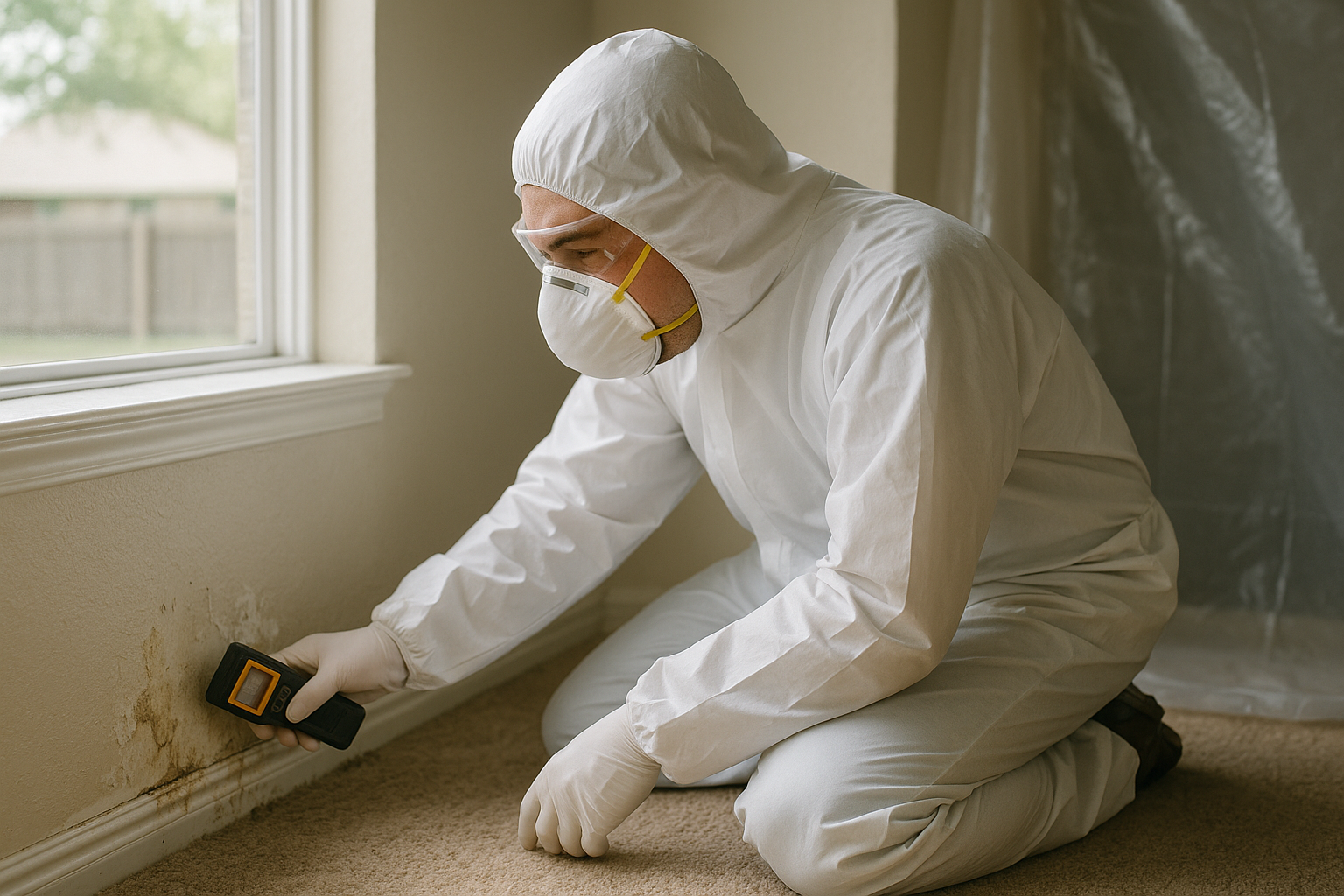
Does Homeowners Insurance Cover Mold in Texas?
Texas Mold Remediation Team · July 25, 2026
Written for Texas homeowners. Licensing claims should be checked against current TDLR mold rules and the statutes they reference. This is general information, not a substitute for professional advice.
In Texas, homeowners insurance generally excludes mold, but there is an important exception: most policies cover mold damage when it results from a sudden and accidental covered water event, such as a burst pipe or an overflowing appliance. Mold caused by long-term leaks, poor maintenance, or flooding is typically not covered. Whether your specific claim is paid depends on the exact language in your policy and the source of the moisture.
Because coverage hinges on how the water got there, documenting the cause quickly is often the difference between an approved and a denied claim. Here is how mold coverage works in Texas, what the law requires, and what remediation typically costs.
What does Texas homeowners insurance actually cover for mold?
The Texas Department of Insurance has a prescribed mold endorsement that many policies follow. Its core language states that insurers do not cover loss "caused by or resulting from mold, fungi or other microbes" — with an exception for ensuing mold caused by or resulting from a sudden and accidental discharge, leakage, or overflow of water. In plain terms:
- Usually covered: Mold that grows after a covered, abrupt event — a pipe bursts, a water heater fails, a washing machine hose ruptures.
- Usually not covered: Mold from a slow, undetected leak; deferred maintenance; humidity; or flooding (flood damage requires separate flood insurance).
Where mold coverage exists, it can include testing and decontamination. Under the state endorsement, remediation "includes any testing to detect, measure or evaluate mold" and "any decontamination of the residence premises or property." Coverage may also be capped at a specific dollar amount, so read your declarations page and endorsements carefully. Some Texas homeowners can buy back broader mold coverage through an optional endorsement. For general consumer help, the Texas Department of Insurance maintains guidance and a complaint process.
Why do so many Texas mold claims get denied?
The most common reason is that the mold is traced to a gradual or maintenance-related moisture problem rather than a sudden event. Insurers may argue a leak existed for weeks or months, which places it outside the sudden-and-accidental exception. Other frequent denial reasons include exclusions for flood, sewer backup without an endorsement, or exceeding a policy's mold sublimit.
If your claim is denied, you generally have options: request a detailed written explanation, ask about the insurer's internal appeal or mediation process, file a complaint with the Texas Department of Insurance, or consult an attorney. Keep photos, repair invoices, and any plumber or inspector reports that establish the timing and source of the water.
Can filing a mold claim affect future insurance or a home sale?
It can. Mold and water claims are recorded in the national CLUE (Comprehensive Loss Underwriting Exchange) database, which insurers use to review a property's and a person's claim history. In some cases, even an inquiry about filing a claim has been logged. A record of prior mold or water loss can complicate renewal, pricing, or a future sale. The Texas Attorney General's consumer materials note plainly that "not all water and mold damage is covered by your residential property insurance policy," and encourage homeowners to understand their coverage before assuming a loss will be paid.
Before filing, it can be worth weighing the repair cost against your deductible and the potential long-term impact on insurability — especially for smaller cleanups you may be able to handle yourself.
What does Texas law require for mold remediation?
Texas regulates mold work more strictly than many states. Mold assessment and remediation companies and individuals are licensed by the Texas Department of Licensing and Regulation (TDLR) under Texas Occupations Code Chapter 1958 and the state's mold administrative rules. Key requirements homeowners should know:
- Licensing is required for companies and individuals performing mold-related activities, unless an exemption applies (property owners have certain exemptions for their own homes).
- Assessment and remediation are kept separate. Texas separates the licensed assessor (who inspects and writes the assessment) from the remediator (who performs the cleanup) to reduce conflicts of interest.
- The 25-square-foot threshold: A license holder must notify TDLR at least five days before a remediation project begins, but there is no notification requirement for projects affecting less than 25 contiguous square feet.
- Certificate of Mold Remediation: The assessment license holder must provide the property owner a Certificate of Mold Remediation no later than 10 days after the project is completed. Keep this document — it matters for insurance and resale.
- Consumer Mold Information Sheet: Licensed professionals must give you a copy before any mold-related activity begins.
Hiring a licensed professional protects you and produces the paperwork insurers and future buyers expect. You can find a licensed Texas mold contractor or browse the full mold remediation directory to compare licensed assessors and remediators near you.
How much does mold remediation cost in Texas?
Costs vary widely by metro, the extent of contamination, and whether structural repairs are needed. These are typical market ranges from industry sources, not government figures, so treat them as estimates:
- Dallas: average around $2,336, with a typical range of $1,366–$3,480.
- Houston: average around $2,025, with most homeowners spending $888–$3,298; severe or whole-home jobs can exceed $20,000.
- General Texas range: roughly $500–$6,000+, often priced at about $10–$25 per square foot.
- Mold inspection or testing: roughly $200–$600.
Cost drivers include the location of the mold (walls, attic, or HVAC systems cost more to treat), the size of the affected area, the type of mold, and whether drywall, flooring, or framing must be rebuilt. Hidden mold behind walls or in ductwork pushes prices higher.
When can I clean mold myself versus hire a pro?
The EPA's mold guide indicates that homeowners can generally handle small areas of mold — under about 10 square feet — themselves, while larger contamination warrants a professional. In Texas, remember that the state's formal notification and paperwork requirements kick in at the 25-square-foot mark, and hiring a licensed remediator is the safer route for anything beyond a minor patch.
No matter the size, the CDC stresses that fixing the underlying moisture source is essential — mold returns if the leak or dampness isn't resolved. The CDC also does not recommend routine mold testing, since health effects vary from person to person and sampling can't reliably predict who will get sick.
Who should avoid DIY mold cleanup?
The CDC advises that people with allergies, asthma, COPD, other chronic lung conditions, or weakened immune systems should not perform mold cleanup. Documented health effects linked to indoor mold exposure include upper respiratory symptoms, cough, and wheeze in otherwise healthy people; worsened asthma symptoms; and hypersensitivity pneumonitis in susceptible individuals.
If you do clean a small area yourself, wear at least a NIOSH-approved N95 respirator plus eye and skin protection, and never mix bleach with ammonia. For anything larger, involving HVAC systems, or affecting a vulnerable household member, hire a licensed professional.
What should Texas homeowners do next?
Start by identifying and stopping the moisture source, then document everything with photos and dated notes. Review your policy's mold endorsement and sublimit, and contact the Texas Department of Insurance if you have coverage questions or a dispute. For remediation, verify your contractor's TDLR license before work begins and keep your Certificate of Mold Remediation on file. You can search for a licensed contractor to get started.
This article is general information for Texas homeowners, not legal, medical, or insurance advice. Costs, rules, and coverage vary by property and change over time — verify details with a licensed professional and current TDLR guidance before acting.
Authoritative references used across this site: Sources: TDLR mold program · TDLR License Search · Texas Occupations Code Ch. 1958 · EPA mold guide · CDC mold & health
Find a Licensed Mold Contractor in Your Area
Search by city to find TDLR-verified mold remediation contractors near you.
Search Your City →