
Home → Blog → How Do You File a Mold Insurance Claim in Texas?
How Do You File a Mold Insurance Claim in Texas?
Texas Mold Remediation Team · October 1, 2026
Written for Texas homeowners and reviewed against current TDLR mold licensing rules.
To file a mold insurance claim in Texas, document the damage with photos and video, report the loss to your insurer in writing as soon as you discover it, and get a licensed mold assessment before remediation begins. Texas homeowners policies only cover mold that results from a "covered peril" like a sudden plumbing leak — not long-term humidity, flooding, or deferred maintenance. Acting fast and documenting everything is the single biggest factor in whether a claim gets paid.
Texas has a complicated history with mold claims, dating back to the early-2000s "mold insurance crisis" that led most carriers to add strict sub-limits and exclusions to homeowners policies. Understanding how those limits work — and what the law requires of your insurer — can mean the difference between a paid claim and a denied one.
What's the first step after finding mold in your home?
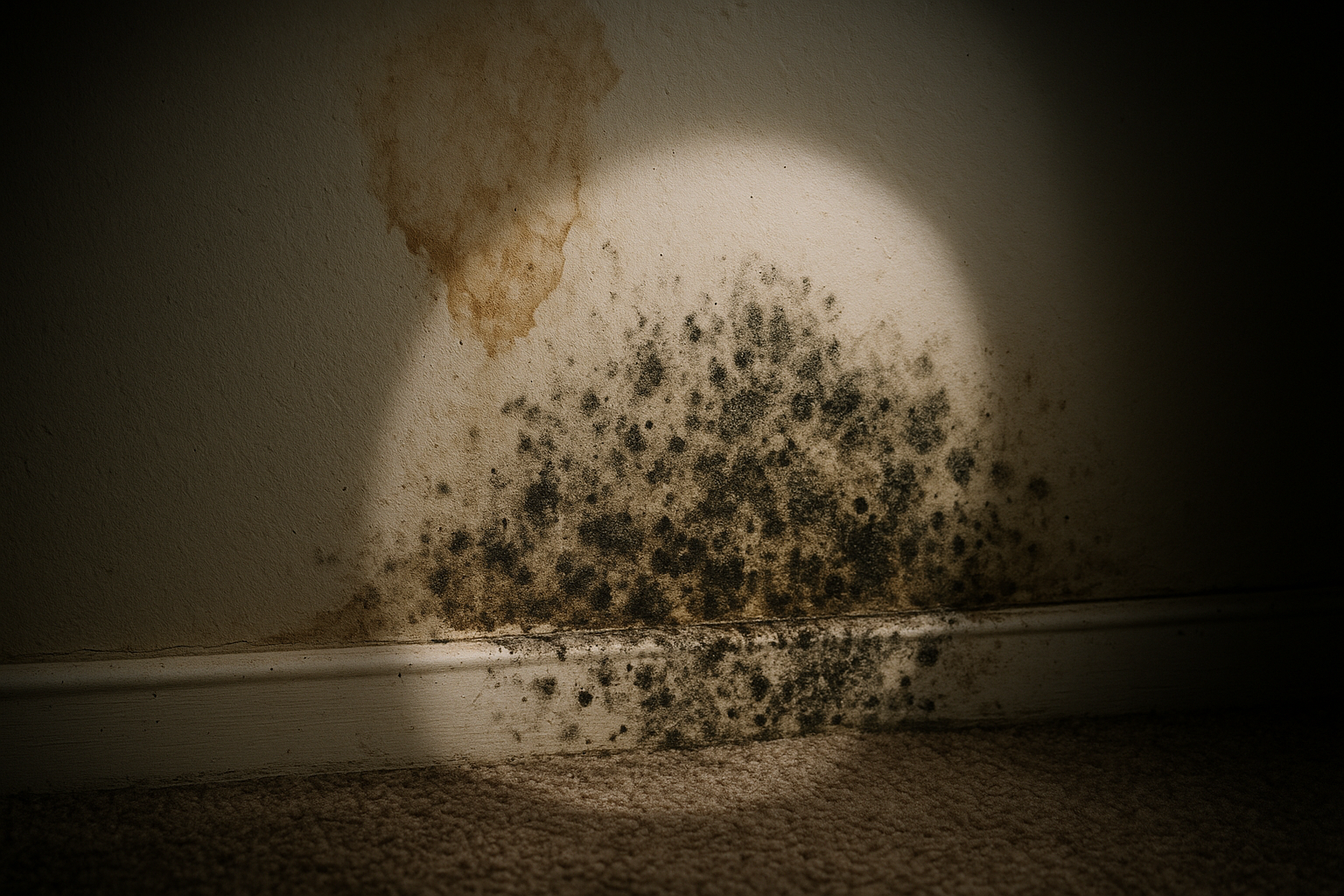
Before you call your insurance company, stop the moisture source if it's safe to do so (shut off a leaking supply line, for example) and document everything. Take wide and close-up photos and video of the affected area, the suspected source of water intrusion, and any damaged belongings. Keep receipts for any emergency mitigation you pay for, since most policies require you to take reasonable steps to prevent further damage.
Once you have documentation, notify your insurer in writing (email is fine) rather than relying only on a phone call. Note the date you discovered the mold, the suspected cause, and request a copy of your policy's mold endorsement or exclusion language. This written notice starts the clock on the insurer's legal response deadlines under Texas law.
Does homeowners insurance cover mold in Texas?
Sometimes — but coverage is narrower than most homeowners expect. Following Texas's early-2000s mold litigation wave, most insurers writing Texas HO-A and HO-B policies added mold sub-limits or exclusions. A common structure:
- Mold caused by a sudden, accidental covered peril (burst pipe, overflowing appliance, storm-created roof leak) is often covered, but frequently capped at a sub-limit — historically around $5,000 on many policies, though this varies by carrier and endorsement.
- Mold caused by long-term leaks, condensation, high humidity, or lack of maintenance is typically excluded entirely, since insurers treat it as a maintenance issue rather than a sudden loss.
- Mold caused by flooding is not covered by a standard homeowners policy at all. Flood damage, including resulting mold, falls under NFIP or private flood insurance, which is a critical distinction for Texas homeowners in Gulf Coast and flood-prone areas.
Read your declarations page and any mold endorsement closely, and don't assume a verbal description from an agent reflects the actual policy language. The Texas Department of Insurance publishes consumer guidance on policy types and is also where you can file a complaint if you believe a claim was mishandled.
How long does an insurer have to respond to a mold claim in Texas?
Texas Insurance Code Chapter 542, the Prompt Payment of Claims Act, sets firm deadlines for how insurers must handle claims on Texas policies, including mold claims tied to a covered peril. In general, insurers must acknowledge your claim and begin investigating within a set number of days, request any additional documentation within a set window, and then notify you of acceptance or rejection within 15 business days of receiving all requested items — with one possible extension. Once a claim is accepted, payment is generally due within days, not weeks. Because exact day-counts and extension rules can be technical, read the current statute text directly or ask TDI for clarification if your insurer is slow-walking a decision.
Also check your policy's lawsuit deadline. Many Texas homeowners policies include a contractual limitations provision requiring any lawsuit over a denied or underpaid claim to be filed within a set period after the date of loss — often shorter than Texas's general four-year statute of limitations for written contracts. If you're disputing a denial, don't let this deadline lapse while you negotiate informally.
Do I need a licensed mold assessor for an insurance claim?
In many cases, yes — and even when it's not strictly required, insurers usually want one. Texas regulates mold work under Texas Occupations Code Chapter 1958, administered by the Texas Department of Licensing and Regulation (TDLR). Under this framework, larger mold projects generally require a written remediation protocol from a licensed Mold Assessment Consultant (MAC) and a post-remediation clearance report, while the remediation itself must be performed by a licensed Mold Remediation Contractor or Worker. Homeowners remediating mold in their own primary residence are typically exempt from needing a license themselves, but any paid contractor doing the work for you should be TDLR-licensed.
For an insurance claim, a licensed assessor's report serves two purposes: it documents the extent and likely cause of the mold (important for determining whether a covered peril applies), and it gives the insurer a professional basis for approving remediation costs. Before hiring anyone, verify their license status directly through TDLR, and ask to see their license number in writing.
You can find vetted, licensed professionals through the Texas mold remediation directory or search for a contractor near you using the contractor search tool.
How much does mold remediation cost in Texas?
Costs vary widely depending on the scope of contamination and whether drywall, insulation, or HVAC components need removal. General ranges homeowners can expect:
- Small, localized jobs (a bathroom or small closet): roughly $500–$3,000
- Moderate remediation (multiple rooms, partial drywall/insulation removal): roughly $3,000–$10,000
- Large-scale remediation (whole-house, structural, or HVAC contamination): $10,000–$30,000 or more
Many contractors price per square foot, commonly in the $10–$25 range depending on severity, containment requirements, and whether post-remediation clearance testing is included. Texas's humid, storm-prone climate contributes to recurring mold issues in many regions, which is part of why insurers scrutinize these claims closely. Get at least two written estimates before starting work, and confirm whether your insurer's sub-limit will cover the full scope or only a portion.
What if my mold claim is denied?
Ask your insurer for the denial in writing, citing the specific policy exclusion or sub-limit relied upon. Compare that language against your actual policy and the assessor's report. If you believe the denial is inconsistent with the policy terms or Texas law, you can file a complaint with the Texas Department of Insurance, which investigates consumer complaints against licensed carriers. You may also want to consult an attorney who handles first-party property claims, particularly given the shortened contractual deadlines common in Texas policies for filing suit.
What should you do right now if you suspect mold?
Address the moisture source first — mold will keep returning until the underlying water problem is fixed, a principle emphasized in the EPA's mold guidance. Avoid disturbing large areas of visible mold yourself, since this can spread spores into the air. The CDC notes that mold exposure can trigger nasal congestion, coughing, wheezing, and eye or skin irritation, with higher risk for people with asthma or allergies, so don't delay remediation once a moisture problem is confirmed. Document everything, notify your insurer promptly, and bring in a TDLR-licensed assessor before remediation begins so the resulting report can support your claim.
This article is general information for Texas homeowners, not legal, medical, or insurance advice. Costs, rules, and coverage vary by property and change over time — verify details with a licensed professional and current TDLR guidance before acting.
Find a Licensed Mold Contractor in Your Area
Search by city to find TDLR-verified mold remediation contractors near you.
Search Your City →