
Home → Blog → Can Mold Make You Sick? Symptoms, Risks, and What Texas Homeowners Should Do
Can Mold Make You Sick? Symptoms, Risks, and What Texas Homeowners Should Do
Texas Mold Remediation Team · October 17, 2026
Written for Texas homeowners. Licensing claims should be checked against current TDLR mold rules and the statutes they reference. This is general information, not a substitute for professional advice.
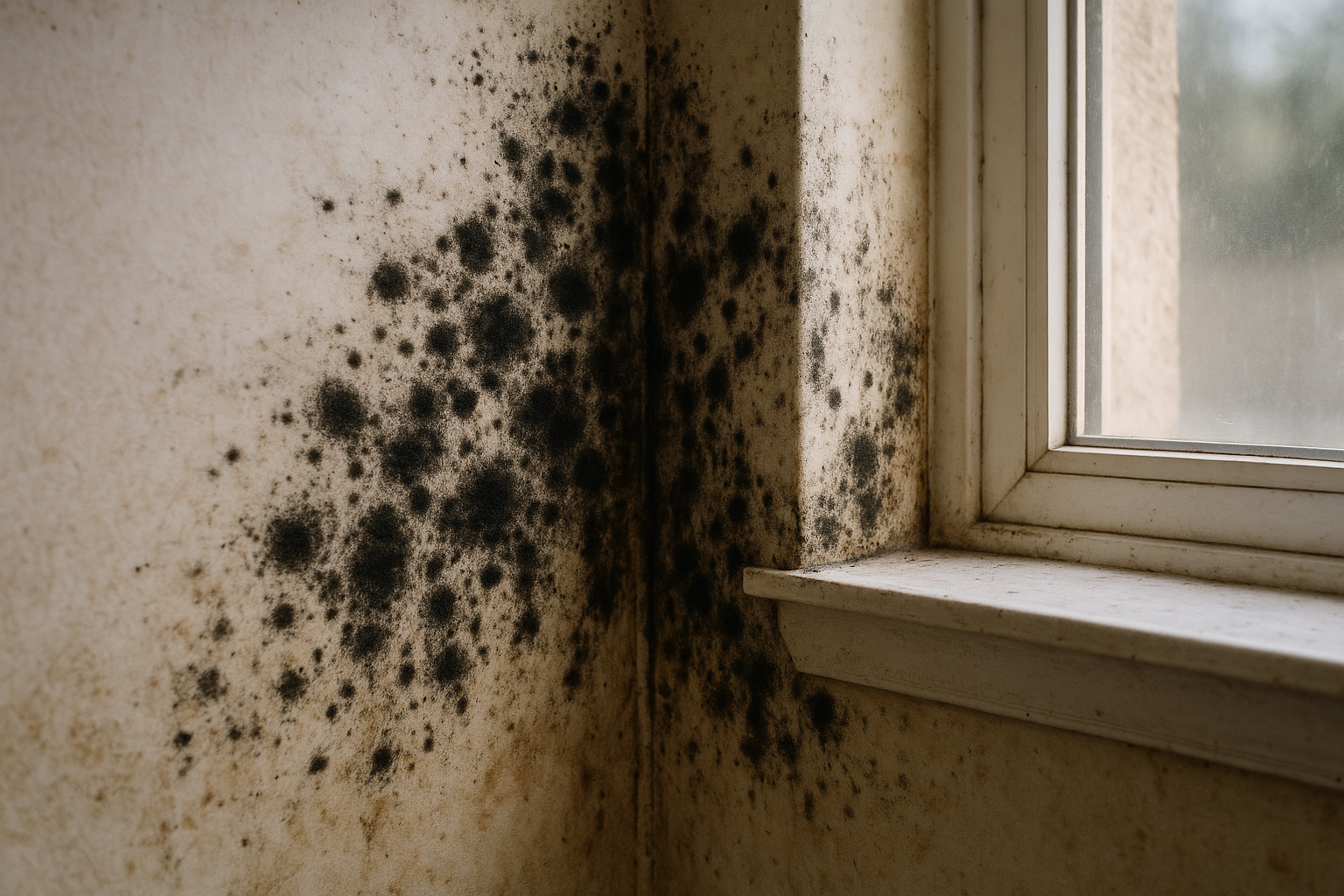
Yes, mold can make you sick. Exposure to mold and mold spores commonly triggers nasal congestion, coughing, throat and eye irritation, and skin reactions, and it can worsen asthma or allergies in sensitive people. People with weakened immune systems or chronic lung disease face a higher risk of more serious fungal infections, according to the CDC and EPA. If you see or smell mold in your home, the health agencies' guidance is the same regardless of species: clean it up and fix the moisture source.
What Health Symptoms Can Mold Exposure Cause?
According to EPA and CDC guidance, the most commonly reported mold-related symptoms include:
- Nasal and sinus congestion
- Throat irritation or coughing
- Wheezing or shortness of breath
- Eye irritation (redness, itching, watering)
- Skin irritation or rashes
These symptoms tend to show up or worsen when someone spends time in a room with visible mold growth or a persistent musty odor, and often improve once they leave the space or the mold is removed. People with existing mold allergies or asthma can have more intense reactions than the general population.
Who Is Most at Risk From Mold Exposure?
Most healthy adults experience mild, reversible symptoms from typical household mold exposure. But certain groups face higher risk, per CDC guidance:
- People with mold allergies or asthma, who may have stronger respiratory reactions
- Infants and young children
- Older adults
- People who are immunocompromised (for example, undergoing chemotherapy or living with HIV)
- People with chronic lung disease, who face elevated risk of fungal infections from mold exposure
If anyone in your household falls into these categories and you have ongoing water damage or visible mold, it's worth addressing the problem sooner rather than later, even if symptoms seem mild so far.
Is There a Safe Level of Mold Exposure?
No — neither the EPA nor CDC has established a numeric safe exposure limit for indoor mold or mold spores. This is an important point for homeowners who hope a lab test will give them a clean
This article is general information for Texas homeowners, not legal, medical, or insurance advice. Costs, rules, and coverage vary by property and change over time — verify details with a licensed professional and current TDLR guidance before acting.
Authoritative references used across this site: Sources: TDLR mold program · TDLR License Search · Texas Occupations Code Ch. 1958 · EPA mold guide · CDC mold & health
Find a Licensed Mold Contractor in Your Area
Search by city to find TDLR-verified mold remediation contractors near you.
Search Your City →