
Home → Blog → Do You Need a License for Mold Remediation in Texas?
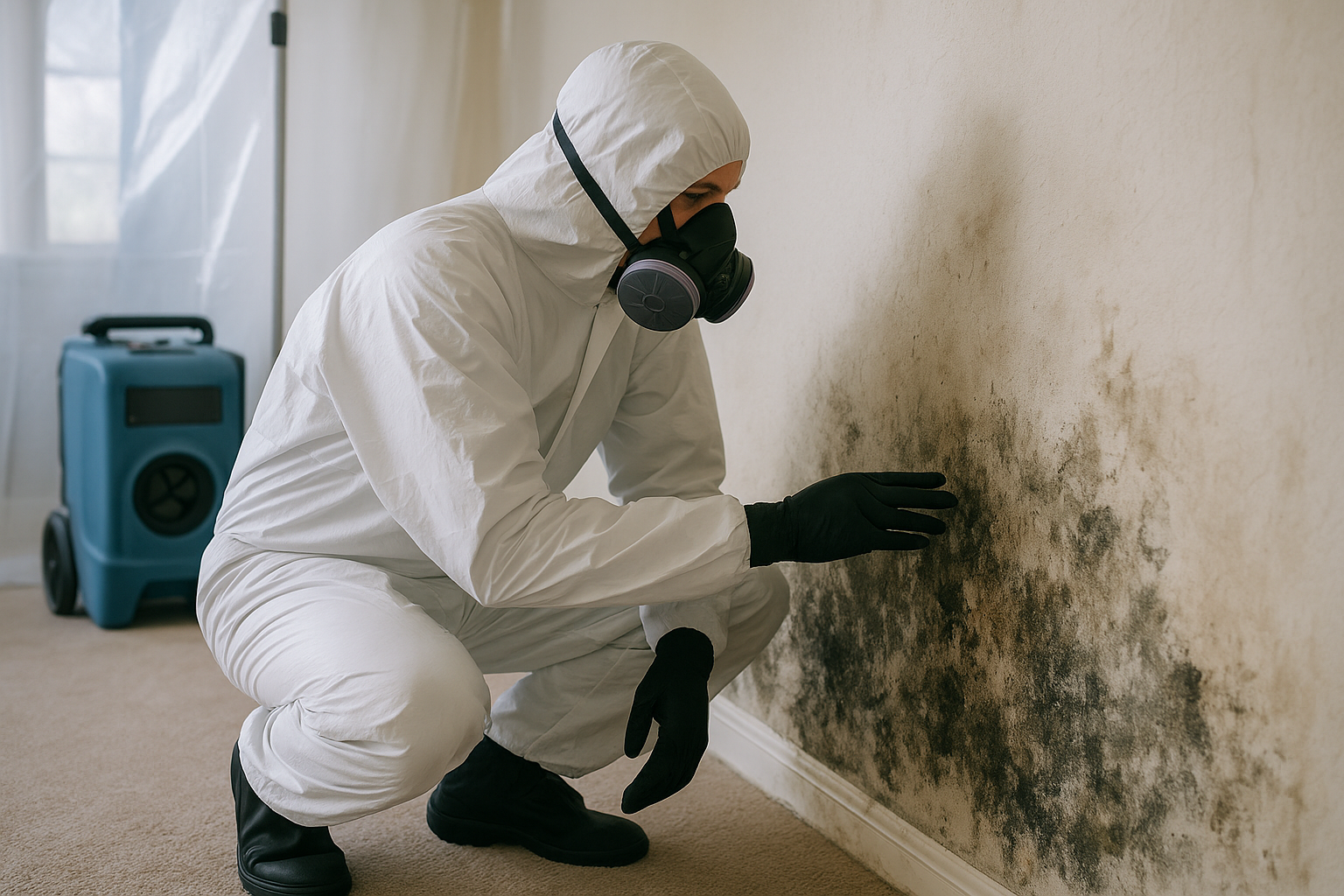
Do You Need a License for Mold Remediation in Texas?
Texas Mold Remediation Team · July 23, 2026
Written for Texas homeowners and reviewed against current TDLR mold licensing rules.
Yes. In Texas, most mold assessment and remediation work must be performed by a person or company licensed by the Texas Department of Licensing and Regulation (TDLR). The industry is state-regulated under Texas Occupations Code Chapter 1958 and Title 16, Chapter 78 of the Texas Administrative Code, so anyone who provides mold services to the public must be trained, licensed, and follow minimum standards that protect workers and occupants. There is an important exception: a homeowner cleaning mold in their own home generally does not need a license.
Below we explain who needs a mold remediation license in Texas, the exemptions, the key legal thresholds, and what a licensed job should include—so you know what to expect before you hire.
Who needs a mold remediation license in Texas?
Under Chapter 1958, any person or company that performs mold assessment or mold remediation for the public must hold the appropriate TDLR license. As of fiscal year 2024, TDLR reported 4,929 mold licensees statewide. The law only covers mold-related activities that affect indoor air quality, which is the core of what the program regulates.
Texas does not issue a single, catch-all "mold license." Instead, it separates the work into distinct categories:
- Mold Assessment Technician, Consultant, and Company — inspection, sampling, and writing remediation protocols.
- Mold Remediation Worker, Contractor, and Company — the actual removal and cleanup.
- Analytical laboratories that analyze mold samples must also be licensed.
To become licensed, individuals must meet qualifications, complete TDLR-approved training (for example, remediation workers must complete 16 hours), pass a state exam, and clear a criminal-history background check. You can verify a company's current standing through the TDLR mold program before you sign anything, or start with our search tool to find a licensed contractor.
When can a homeowner do mold work without a license?
Chapter 1958 includes an owner exemption. An owner—or a managing agent or employee of the owner—is not required to be licensed to perform mold assessment or remediation on a residential property that the owner owns and that has fewer than 10 dwelling units.
The catch: the exemption does not apply if that person "engages in the business of performing mold assessment or mold remediation for the public." In plain terms, you can clean mold in your own house, but you cannot advertise or sell those services to others without a license. There are also separate exemptions for mold activity that occurs during construction and renovation.
So the practical rule for most homeowners is simple: cleaning a small mold spot in your own home is fine, but the moment you hire someone to do it—or the job crosses regulatory thresholds—TDLR's rules apply.
How big does a mold problem have to be before Texas rules kick in?
The key regulatory trigger in Texas is 25 contiguous square feet. A license holder must notify TDLR at least five days before a remediation project begins, but there is no notification requirement for projects where mold affects less than 25 contiguous square feet.
Do not confuse this with the federal guidance. The U.S. EPA uses a 10-square-foot rule of thumb: if mold covers more than about 10 square feet, or there has been significant water damage, EPA recommends consulting professional guidance and considering a contractor. That EPA figure is a national do-it-yourself guideline, while Texas's 25-square-foot number is a regulatory notification threshold. They serve different purposes.
What must a licensed mold job in Texas include?
Texas builds several consumer protections directly into the licensing rules:
- Consumer Mold Information Sheet: licensed assessors and remediators must give a copy to each client and the property owner before any mold-related activity begins (16 TAC 78.70).
- Work plan: the remediation contractor must create a customized work plan and provide it to the client at least one day before preparation work starts.
- Certificate of Mold Remediation: the assessment license holder must give the property owner a certificate no later than 10 days after the project is completed.
There is also a critical conflict-of-interest rule: while one person can hold both an assessment and a remediation license, they may not perform both the assessment and the remediation on the same project, and may not own an interest in both firms on the same job. This separation is designed to keep the inspection honest and independent from the company doing the cleanup.
Did the law change in 2025?
Yes. Senate Bill 1255 (89th Legislature, 2025) amended Chapter 1958, with changes taking effect September 1, 2025. Because the statute was recently updated, some older third-party websites may still quote pre-2025 language on exemptions and thresholds. Always confirm the current wording against the official Texas Occupations Code Chapter 1958 and the latest 16 TAC Chapter 78 rules posted by TDLR.
How much does mold remediation cost in Texas?
Costs vary widely by metro area and the size of the problem. Recent 2025 estimates for Texas markets include:
- Austin: average about $3,509, with a range of roughly $1,433 to $6,000+.
- Dallas: average about $2,336, roughly $1,366 to $3,480.
- Houston: average about $2,025, with most homeowners paying $888 to $3,298; whole-home damage can exceed $20,000.
- Mold inspection/testing: roughly $300 to $1,075.
Texas's warm, humid climate makes mold a persistent concern, particularly along the Gulf Coast, so pricing and demand can run higher than in drier regions.
Why does hiring a licensed contractor matter for insurance and liability?
Beyond compliance, using a licensed professional and obtaining the certificate of mold remediation carries a real legal benefit. Under Occupations Code 1958.303, a property owner is not liable for damages related to mold remediation if a certificate of mold remediation has been issued under Chapter 1958 (for damages accruing on or before issuance). That certificate can also matter when you sell the property.
Before work begins, review any bids with your insurer to understand what is covered, and coordinate with your lender if one is involved. For state-specific coverage questions—such as mold endorsements and exclusions—consult the Texas Department of Insurance.
When should you call a professional instead of doing it yourself?
Health considerations matter. According to the CDC and EPA, mold exposure can trigger respiratory symptoms, allergic reactions, and asthma flare-ups in sensitive individuals. If mold covers more than about 10 square feet, follows significant water damage, or is tied to sewage or a health condition, professional remediation is the safer choice. When hiring, confirm the contractor is TDLR-licensed, check references, and ask that they follow EPA and industry guidelines.
Ready to find help? Browse our directory of Texas mold remediation providers or use the search tool to find a licensed contractor near you.
This article is general information for Texas homeowners, not legal, medical, or insurance advice. Costs, rules, and coverage vary by property and change over time — verify details with a licensed professional and current TDLR guidance before acting.
Find a Licensed Mold Contractor in Your Area
Search by city to find TDLR-verified mold remediation contractors near you.
Search Your City →