
Home → Blog → How Much Does Mold Remediation Cost in Texas?
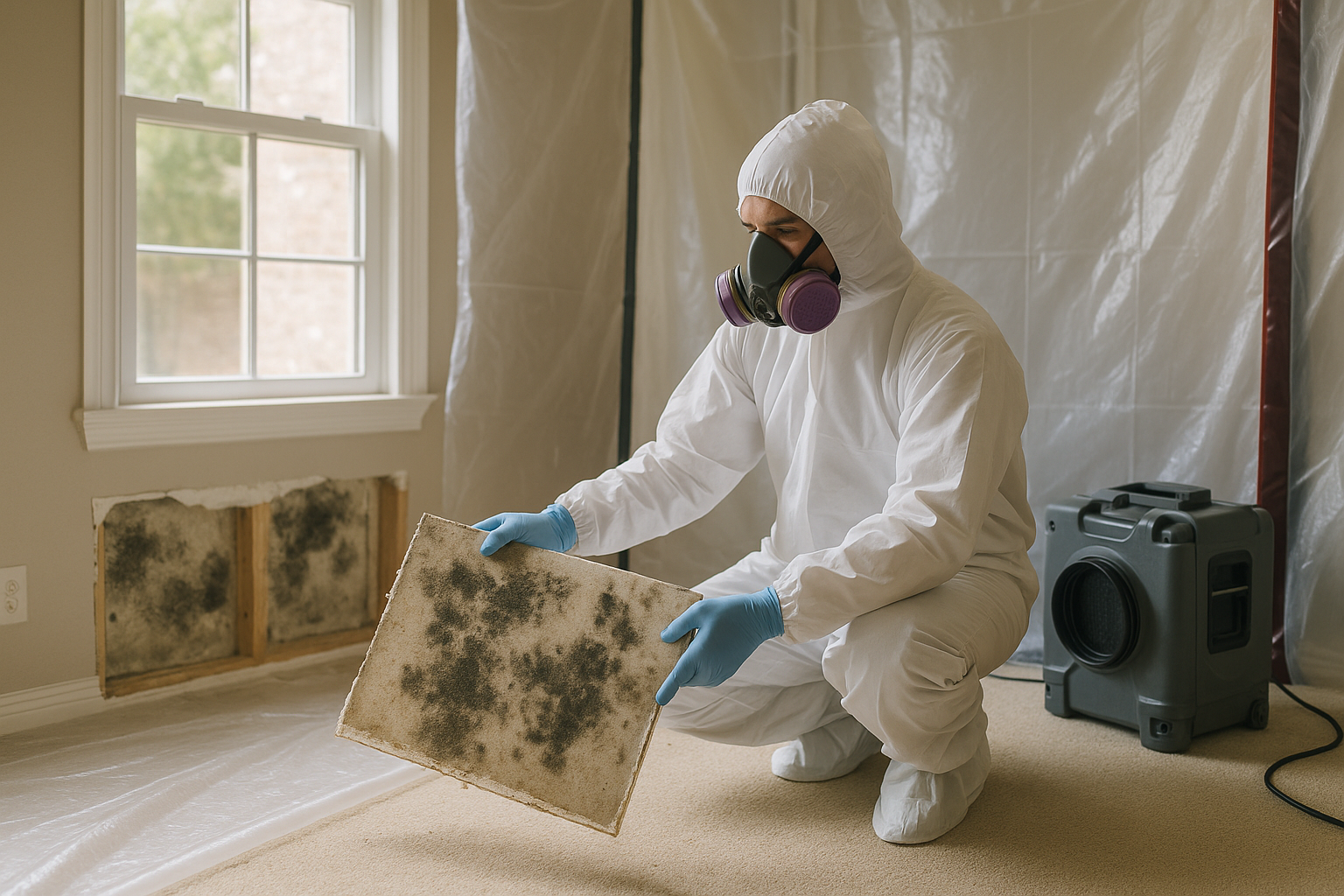
How Much Does Mold Remediation Cost in Texas?
Texas Mold Remediation Team · July 21, 2026
Written for Texas homeowners and reviewed against current TDLR mold licensing rules.
Most Texas homeowners pay roughly $1,500 to $6,000 for mold remediation, with statewide averages landing around $2,000 to $3,500 for a typical single-room job. Small, contained problems can cost as little as $500–$1,000, while severe whole-home contamination or neglected damage can exceed $20,000–$40,000. Your final price depends on how much area is affected, where the mold is located, and whether the underlying moisture source has been fixed.
These are industry estimates from restoration and home-services providers — there is no official government price table for mold remediation in Texas. Always get written quotes from licensed professionals before committing.
What is the average cost of mold remediation in Texas?
Costs vary noticeably by metro area and project size. Recent 2025–2026 figures from home-services and restoration sources include:
- Houston: Average around $2,025, with most homeowners spending $888–$3,298. Severe whole-home damage can top $20,000.
- Austin: Average around $3,509, ranging from $1,433 to $6,000+.
- Southlake / DFW (by affected area): up to 25 sq ft: $700–$6,000; 25–100 sq ft: $5,000–$15,000; 100+ sq ft: $15,000–$30,000+; whole-home or long-neglected jobs: $40,000+.
Many Texas contractors price work at roughly $10 to $25 per square foot of affected area. A single-room remediation commonly runs $1,500–$4,500. Treat all of these as estimates and expect quotes to differ once a licensed assessor inspects the property.
What factors affect mold remediation cost in Texas?
Several variables push the price up or down:
- Square footage of contamination. More affected area means more labor, containment, and disposal.
- Location and accessibility. Mold inside walls, attics, HVAC systems, or crawl spaces costs more because it requires demolition, containment barriers, and rebuild work.
- Extent of material damage. Replacing drywall, insulation, flooring, or cabinetry adds to the total.
- The moisture source. If a leak or humidity problem isn't fixed, mold returns — repairs to plumbing, roofing, or drainage are often part of the real cost.
- Assessment and clearance testing. Texas rules require an independent assessor to write a protocol and certify the cleanup (more on this below), which is a separate line item.
Texas's warm, humid climate accelerates mold growth, so acting quickly usually keeps costs lower than waiting.
Do I need a licensed contractor for mold remediation in Texas?
Usually, yes. Mold assessment and remediation in Texas is regulated under Chapter 1958 of the Occupations Code and Title 16, Texas Administrative Code, Chapter 78 — the Texas Mold Assessment and Remediation Rules. The Texas Department of Licensing and Regulation (TDLR) administers the program and licenses mold assessment consultants, technicians, remediation contractors, workers, companies, and analysis laboratories.
There are two key exemptions from the licensing requirement:
- Minimum-area exemption: Cleaning visible mold covering less than 25 contiguous square feet generally does not require a license.
- Homeowner exemption: Owner-occupants may remediate their own residence in limited circumstances under the TMARR rules.
For anything larger or for work performed for pay, you must hire a TDLR-licensed professional. You can find a licensed mold remediation contractor or browse the full Texas mold remediation directory to compare options.
Why can't the same company assess and remediate my mold?
Under Occupations Code §1958.102, the same person or company generally cannot act as both the assessor and the remediator on the same project (a narrow exception exists for school districts working on their own buildings). This separation prevents a financial incentive to over-diagnose or under-diagnose a problem.
In practice this means most Texas homeowners will hire two parties: a Mold Assessment Consultant (MAC) who inspects, writes the remediation protocol, and later certifies the cleanup, and a separate remediation contractor who performs the physical work. Budget for both when estimating your total cost.
What is a Certificate of Mold Damage Remediation, and why does it matter?
Within 10 days of completing remediation, the contractor must give the property owner a Certificate of Mold Damage Remediation (CMDR) — the official TDI Form MDR-1, tied to Occupations Code §1958.154. The certificate includes a statement from an independent licensed assessor confirming the contamination was remediated according to the cleanup plan.
This document is important for two reasons: it verifies the job met state standards, and it protects you with your insurer. Keep the original and give a copy to your insurance company.
Does homeowners insurance cover mold remediation in Texas?
Sometimes, but coverage is limited. Most Texas homeowners carry HO-A policies, which generally cover only sudden and accidental water damage — not continuous or repeated leakage. Many HO-A policies exclude mold remediation entirely, and those that include it often cap the payout.
Two Texas-specific points are worth knowing:
- Anti-discrimination protection: Under Texas Insurance Code §544.303, an insurer may not make an adverse underwriting decision on a residential policy based on previous mold damage when a valid CMDR is provided and statutory requirements are met. Carriers commonly require that certificate before restoring mold coverage.
- Claim disputes: A licensed assessor's protocol and a completed CMDR can help rebut an insurer's "pre-existing condition" argument. Texas courts have upheld standard mold exclusions except for hidden mold, so documentation matters. If you believe a claim was handled unfairly, you can file a complaint with the Texas Department of Insurance.
Review your specific policy language and coverage caps before assuming mold is covered.
When can I clean mold myself versus hiring a pro?
There are two commonly confused thresholds, and they serve different purposes:
- EPA health/DIY guideline (about 10 square feet): The U.S. EPA says a homeowner can usually clean mold covering less than roughly 10 square feet — about a 3-foot-by-3-foot patch. For larger areas or significant water damage, hire an experienced professional.
- Texas licensing exemption (25 square feet): This is a legal threshold for when a license is required, not a health recommendation.
Even when a job is small enough to do yourself, fix the moisture source first, wear protective gear, and stop if you find hidden or extensive mold. People with asthma, allergies, weakened immune systems, and the very young or elderly can be more sensitive to mold exposure, so err toward professional help when health is a concern.
How can I control mold remediation costs in Texas?
- Act fast. Small problems are far cheaper than whole-home contamination.
- Fix the water source. Remediation without moisture repair is money wasted.
- Get multiple written quotes from licensed contractors and compare scope, not just price.
- Verify licenses through TDLR before hiring, and confirm the assessor is independent of the remediator.
- Keep all documentation — the assessment protocol, invoices, and the CMDR — for insurance and future resale.
Ready to get started? Use our directory to search for licensed Texas mold remediation professionals in your area.
This article is general information for Texas homeowners, not legal, medical, or insurance advice. Costs, rules, and coverage vary by property and change over time — verify details with a licensed professional and current TDLR guidance before acting.
Find a Licensed Mold Contractor in Your Area
Search by city to find TDLR-verified mold remediation contractors near you.
Search Your City →