
Home → Blog → Is a Landlord Required to Fix Mold in Texas?
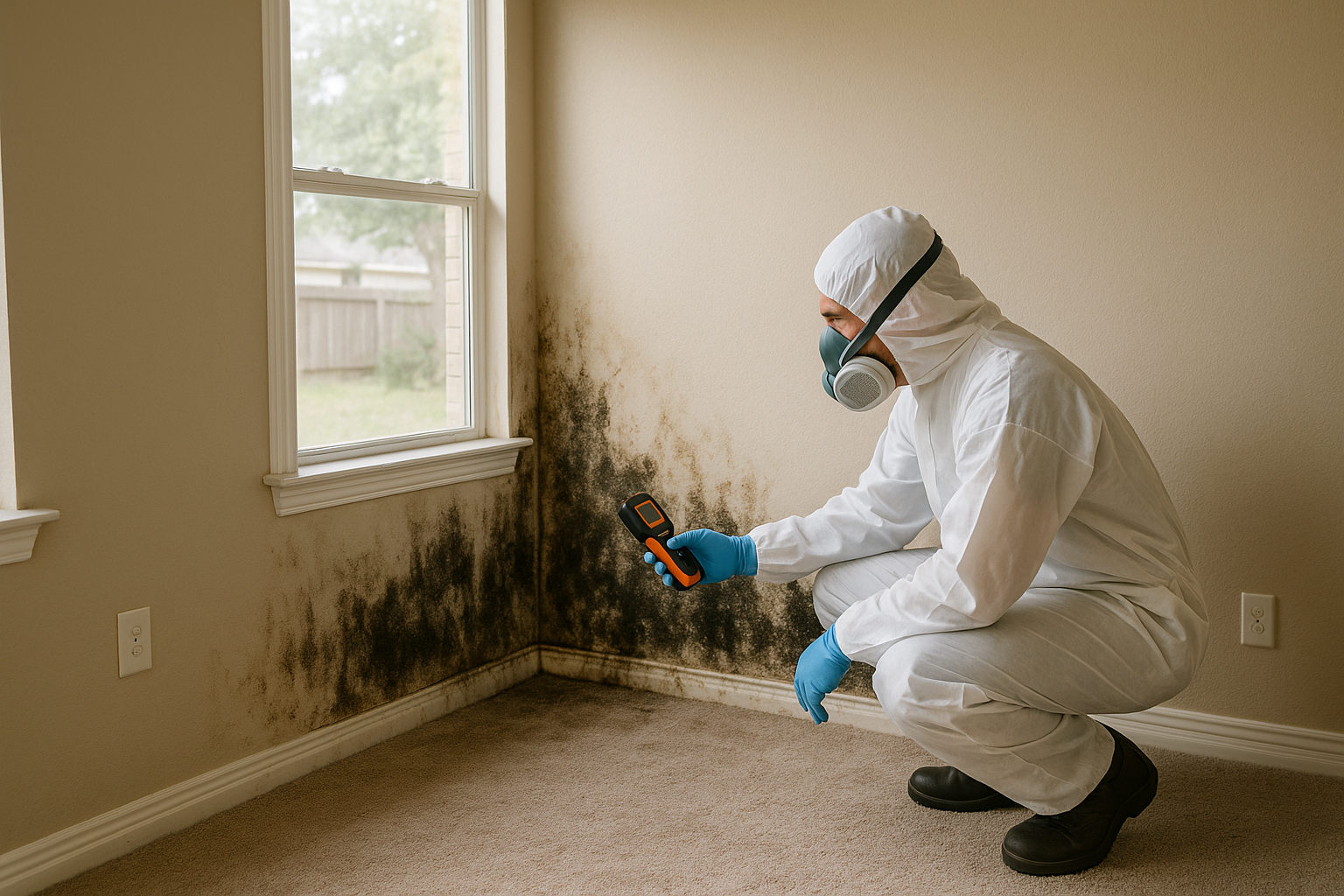
Is a Landlord Required to Fix Mold in Texas?
Texas Mold Remediation Team · August 3, 2026
Written for Texas homeowners and reviewed against current TDLR mold licensing rules.
Yes, a Texas landlord is generally required to fix mold when it materially affects a tenant's physical health or safety, but only if the tenant follows specific legal steps first. Texas has no statute that names "mold" as a specific landlord duty. Instead, the obligation comes from the state's general habitability and repair law in the Texas Property Code, which courts routinely apply to serious mold problems.
In practical terms, this means a landlord's duty to remediate mold is not automatic. It kicks in only after the tenant provides proper written notice, is current on rent, and did not cause the problem. Understanding those conditions is the difference between a landlord being legally obligated to act and a tenant having no enforceable claim.
What does Texas law actually say about landlords and mold?
There is no Texas or federal statute that specifically addresses mold in rental housing. The controlling rule is Texas Property Code §92.052, which requires a landlord to "make a diligent effort to repair or remedy a condition" that "materially affects the physical health or safety of an ordinary tenant."
Courts and tenant-rights guides treat significant mold growth as exactly this kind of condition. Minor surface mildew in a shower may not qualify, but widespread growth tied to a leak, water intrusion, or humidity problem generally does. The key legal phrase is "materially affects" health or safety, an ordinary-person standard rather than a claim of unusual sensitivity.
What conditions must be met before a landlord is legally responsible?
Under Texas Property Code §92.052 and §92.056, all three of the following must be true before a landlord's repair duty is triggered:
- Written notice: The tenant must give written notice of the problem to the person or place where rent is normally paid. A verbal complaint is not enough to preserve your rights.
- Rent is current: The tenant must not be delinquent on rent at the time notice is given.
- Tenant did not cause it: The mold cannot have been caused by the tenant, their family members, or their guests. If a tenant's own negligence (for example, ignoring ventilation or failing to report a leak) created the condition, the landlord may not be liable.
Because these conditions are strict, keep dated copies of every notice, photos of the mold and moisture source, and any responses from the landlord. Documentation is what makes a claim enforceable.
How long does a Texas landlord have to fix mold?
After receiving proper written notice, a landlord is generally expected to make repairs within a reasonable time. Texas law and legal commentary often reference seven days as a benchmark, but "reasonable" is the true legal standard and it flexes with the severity and cause of the problem. A minor issue may allow more leeway, while active water intrusion producing rapidly spreading mold demands faster action.
If a landlord does not respond within a reasonable period, the tenant may send a second notice and, depending on the lease and circumstances, begin pursuing the remedies below.
Can a tenant withhold rent over mold in Texas?
No. Withholding rent is not a legal remedy in Texas and can be grounds for eviction. Unlike some states, Texas treats the duty to pay rent and the landlord's duty to repair as separate obligations. Stopping rent payments will not force repairs and will usually weaken a tenant's legal position, since being current on rent is one of the conditions required to trigger the landlord's duty in the first place.
What can a tenant do if the landlord won't fix the mold?
When a landlord fails to act after proper notice, Texas tenants have several options under Chapter 92:
- Terminate the lease and move out when the condition materially affects health or safety and the landlord has not remedied it.
- Repair and deduct under §92.0561, which allows a tenant to arrange the repair and deduct the cost from rent, but only within strict statutory dollar limits and procedural steps. Read the statute carefully or seek legal help before using this remedy.
- Sue in Justice Court for a court order requiring repairs, plus damages, a civil penalty, and attorney's fees where the statute allows.
Tenants can also contact local code enforcement, a city housing authority, or a county health department, which handle habitability complaints and can inspect the property.
Does a landlord have to disclose past mold problems?
Under the Texas Deceptive Trade Practices Act (DTPA), a landlord generally must disclose known material facts, such as a prior mold problem, that would influence a tenant's decision to rent. Actively hiding or misrepresenting a known mold history can expose a landlord to additional liability beyond the habitability rules.
Who is legally allowed to remediate mold in a Texas rental?
Texas regulates mold professionals through the Texas Department of Licensing and Regulation (TDLR), under Texas Occupations Code Chapter 1958 and the Texas Mold Assessment and Remediation Rules. Key points that affect both landlords and tenants:
- The 25-square-foot rule: Mold remediation affecting 25 contiguous square feet or more must be performed by a TDLR-licensed remediator. Smaller areas may not require a license, but professional help is still often wise.
- Assessment before remediation: A licensed mold assessment must generally be completed before remediation begins, and the assessor must provide a written protocol for the work.
- No conflict of interest: The same company cannot both assess and remediate the same project. Landlords should expect to hire two separate licensed firms.
You can verify credentials and find a licensed mold contractor or browse the full Texas mold remediation directory before any work starts. The federal EPA mold guide and CDC mold and health resources also offer useful moisture-control and health context.
What does mold remediation cost in Texas?
Costs vary by city, the size of the affected area, and the underlying moisture problem. Recent 2025 estimates include:
- Houston: average around $2,025; most projects fall between $888 and $3,298, with severe whole-home jobs exceeding $20,000.
- Dallas: average around $2,336; typical range $1,366 to $3,480.
- Austin: average around $3,509; range $1,433 to $6,000 or more.
- DFW / Southlake: total jobs range from about $500 to $30,000, with single-room work commonly $2,200 to $3,500.
Texas's warm, humid climate makes mold especially common, so identifying and fixing the moisture source, not just cleaning visible growth, is essential to prevent recurrence.
Does insurance cover mold in a rental property?
Landlord and homeowner insurance coverage for mold varies widely and often carries limits or exclusions, particularly when mold results from long-term, unaddressed moisture. Questions about coverage, policy limits, and complaints can be directed to the Texas Department of Insurance. Tenants concerned about personal belongings should review whether renters insurance addresses mold-related loss.
What is the bottom line for Texas tenants and landlords?
A Texas landlord is required to fix mold that materially affects health or safety, provided the tenant gives written notice, stays current on rent, and did not cause the problem. Landlords should respond within a reasonable time (often cited as seven days) and use TDLR-licensed professionals for any job of 25 square feet or more. Both parties benefit from documenting conditions, addressing the moisture source promptly, and understanding that rent cannot lawfully be withheld in Texas.
This article is general information for Texas homeowners, not legal, medical, or insurance advice. Costs, rules, and coverage vary by property and change over time — verify details with a licensed professional and current TDLR guidance before acting.
Find a Licensed Mold Contractor in Your Area
Search by city to find TDLR-verified mold remediation contractors near you.
Search Your City →