
Home → Blog → Houston Mold Remediation: What Homeowners Should Know
Houston Mold Remediation: What Homeowners Should Know
Texas Mold Remediation Team · August 11, 2026
Written for Texas homeowners and reviewed against current TDLR mold licensing rules.
Houston mold remediation is regulated by the state, not the city — Texas requires licensed professionals for any job covering more than roughly 25 contiguous square feet of visible mold, and insurance typically only pays for mold caused by a sudden covered event like a burst pipe. Houston's humidity, aging slab-foundation homes, and hurricane exposure make mold a recurring issue here more than almost anywhere else in Texas, so understanding the rules before you hire anyone can save you money and protect your health.
What does mold remediation actually involve in Houston?
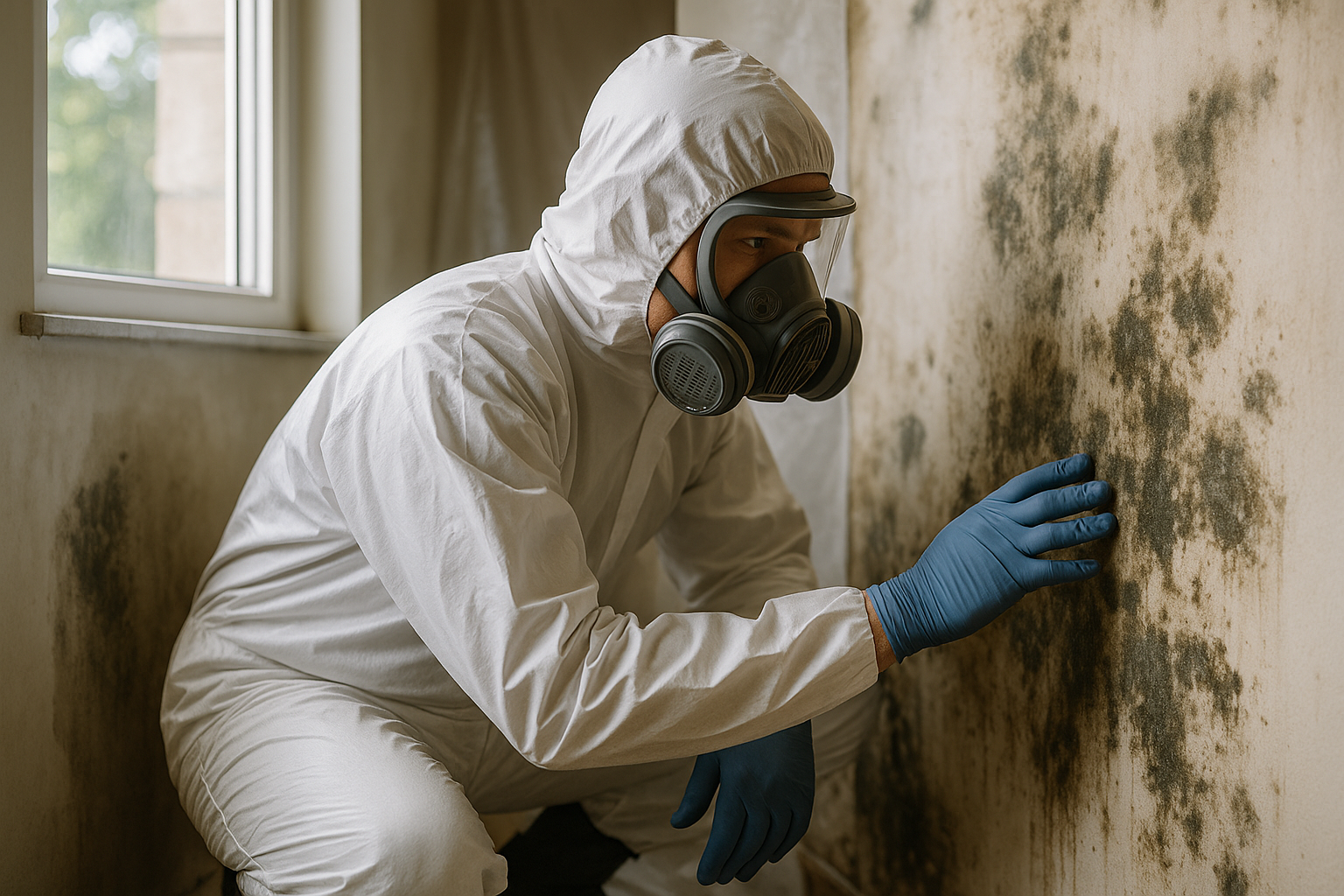
Remediation means physically removing mold growth and fixing the moisture source that caused it — it is not the same as testing or "mold inspection." A typical Houston job includes containment of the affected area, removal of contaminated porous materials (drywall, insulation, carpet), HEPA vacuuming and antimicrobial treatment of salvageable surfaces, and repair of the underlying leak, roof damage, or humidity problem. Because Houston's climate keeps indoor humidity high year-round, remediation that doesn't address the moisture source — a slow plumbing leak, poor attic ventilation, or an undersized HVAC system — often results in mold returning within months.
Is mold remediation legally regulated in Texas?
Yes. Texas is one of the few states that licenses mold professionals through the Texas Department of Licensing and Regulation (TDLR), under authority granted by Texas Occupations Code Chapter 1958. The law created four license categories: Mold Assessment Consultant (MAC), Mold Assessment Technician (MAT), Mold Remediation Contractor (MRC), and Mold Remediation Worker (MRW). A key consumer protection built into the law is that the company assessing your mold generally cannot also be the company remediating it — this separation prevents a contractor from inflating the diagnosis to sell you a bigger remediation job. Once a job exceeds roughly 25 contiguous square feet, a licensed assessor must write a remediation protocol, licensed workers must perform the remediation, and the assessor must return afterward to issue a Certificate of Mold Damage Remediation (CMDR) confirming the space passed clearance testing. Always confirm license numbers directly on TDLR's license-search tool before signing a contract — you can also start by browsing our directory of Texas mold remediation listings or use our contractor search to find licensed professionals near you.
How much does mold remediation cost in Houston?
Cost depends heavily on square footage, whether mold has spread into HVAC ducts or wall cavities, and whether structural repairs (roofing, plumbing, foundation) are needed alongside remediation. Small, contained jobs under the 25-square-foot licensing threshold tend to be the least expensive, while whole-house jobs following flooding or long-term leaks — common after Houston storms — can run into the thousands of dollars once moisture-source repairs are factored in. Because pricing shifts with material and labor costs, get itemized, written estimates from at least two or three TDLR-licensed contractors before committing, and make sure the quote separates remediation work from any repair or reconstruction work.
Does homeowners insurance cover mold damage in Houston?
Usually only in limited circumstances. Standard Texas homeowners policies typically cover mold only when it results from a sudden, covered peril, such as a pipe that burst unexpectedly — not from long-term leaks, high humidity, condensation, or poor maintenance. Many policies also carry a mold coverage sublimit, a legacy of Texas's early-2000s mold insurance crisis, meaning your payout for mold cleanup may be capped well below the cost of full remediation unless you purchased a separate mold endorsement. Flood-caused mold — highly relevant in Houston given storms like Harvey, Imelda, and Beryl — is generally excluded from standard homeowners policies altogether and instead falls under separate flood insurance, which has its own limits and rules for mold cleanup reimbursement. Review your policy's mold sublimit and contact your agent or the Texas Department of Insurance with coverage questions, especially after a declared flood event.
What should I know about mold after a Houston flood or hurricane?
Speed matters more than anything else. The CDC recommends drying out flooded or water-damaged areas within 24 to 48 hours to prevent significant mold growth, and in Houston's heat and humidity, mold can take hold even faster than that. If your home flooded during hurricane season (June through November), remove wet porous materials like carpet, drywall, and insulation as soon as it's safe to do so, run fans and dehumidifiers, and document damage with photos before repairs for any insurance or FEMA claims. For anything beyond a small, contained area, hire a licensed remediation contractor rather than attempting large-scale post-flood cleanup yourself — flood-soaked materials can harbor mold well inside wall cavities where it isn't visible.
Is there a "safe" level of mold in a home?
No — there is no federal or Texas numeric standard for an acceptable amount of mold or mold spores indoors. The EPA's guidance is straightforward: if you can see or smell mold, it should be removed and the moisture source fixed, regardless of the mold species involved. The CDC similarly does not recommend routine air sampling or mold testing for typical homes, since there's no established exposure standard to compare results against — meaning claims from any company promising to test for a "safe" spore count aren't backed by federal guidance. People with mold allergies, asthma, or weakened immune systems should still avoid direct contact with visible mold and consider professional remediation rather than DIY cleanup.
Does Texas require sellers or landlords to disclose mold?
Texas doesn't have a mold-specific disclosure law. Known mold issues generally fall under the general Texas Property Code Seller's Disclosure Notice requirements for material defects when selling a home. For rental properties, Texas Property Code Chapter 92 requires landlords to repair conditions that materially affect a tenant's health or safety after proper written notice — mold isn't named explicitly in the statute, but persistent leaks or moisture problems causing mold growth typically qualify as a repair issue tenants can act on.
How do I find a licensed mold remediation contractor in Houston?
Start by verifying any contractor's license directly through TDLR before signing anything, and remember that Texas law generally requires separate companies for assessment and remediation on larger jobs. Get multiple written estimates, ask to see the assessor's remediation protocol for jobs over 25 square feet, and confirm you'll receive a Certificate of Mold Damage Remediation once clearance testing is complete. You can browse our Texas mold remediation directory or use the contractor search tool to compare licensed options serving the Houston area.
This article is general information for Texas homeowners, not legal, medical, or insurance advice. Costs, rules, and coverage vary by property and change over time — verify details with a licensed professional and current TDLR guidance before acting.
Find a Licensed Mold Contractor in Your Area
Search by city to find TDLR-verified mold remediation contractors near you.
Search Your City →