
Home → Blog → Why Should You Hire a TDLR-Licensed Mold Contractor in Texas?
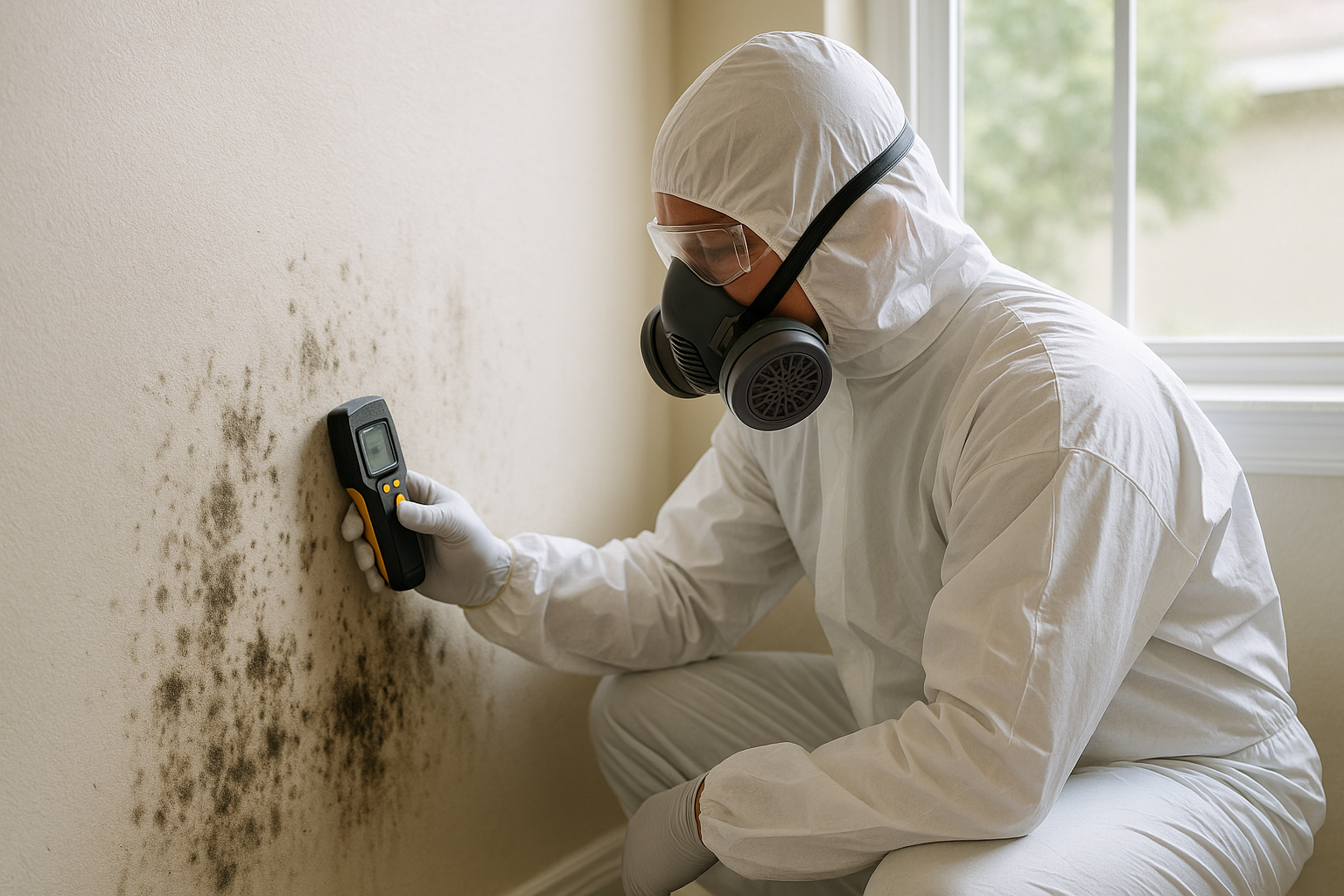
Why Should You Hire a TDLR-Licensed Mold Contractor in Texas?
Texas Mold Remediation Team · September 7, 2026
Written for Texas homeowners and reviewed against current TDLR mold licensing rules.
You should hire a TDLR-licensed mold contractor because Texas law requires it for nearly all residential, rental, and commercial mold work — and licensing brings legal protections you lose by hiring an unlicensed handyman. Under Texas Occupations Code Chapter 1958, licensed contractors must carry at least $1 million in liability insurance, follow state-mandated disclosure and clearance procedures, and cannot also act as your mold inspector on the same job. Skipping licensure isn't just risky — for jobs over 25 square feet, it's illegal.
Is a mold license actually required by Texas law?
Yes. The Texas Department of Licensing and Regulation (TDLR) regulates mold assessment and remediation under Chapter 1958 of the Texas Occupations Code and the Texas Mold Assessment and Remediation Rules (16 TAC Chapter 78). The statute is a blanket prohibition: no one may perform mold assessment or remediation in Texas without the applicable license, aside from narrow exemptions. TDLR issues separate licenses for Mold Assessment Consultants, Mold Assessment Technicians, Mold Assessment Companies, Mold Remediation Contractors, Mold Remediation Workers, Mold Remediation Companies, and Mold Analysis Laboratories — each with its own training, experience, and background-check requirements.
Are there any exemptions to the licensing requirement?
A property owner or tenant can do their own mold work without a license if two conditions are met: they aren't operating as a business serving the public, and the contaminated area is under 25 contiguous square feet. Once mold covers more than 25 square feet, Texas law requires a licensed Mold Remediation Contractor, even on an owner-occupied home. Rental properties and commercial buildings don't get this exemption at all — landlords and property managers must use licensed professionals regardless of job size.
Why can't the same company inspect and remediate my mold?
Texas built a specific conflict-of-interest safeguard into Chapter 1958: the company or individual who performs your mold assessment cannot also perform the remediation on the same project, and generally can't hold an ownership interest in both firms working that job. This separation exists so an assessor has no financial incentive to exaggerate a mold problem in order to sell you remediation services. It's one of the stricter consumer protections among state mold licensing programs, and it means a legitimate two-company process — one licensed assessor, one licensed remediator — is the norm for any sizable Texas mold job.
What documents should a licensed contractor give you?
Before starting any mold-related work, a licensed remediator must provide you (and the property owner, if different) a Consumer Mold Information Sheet explaining your rights and the remediation process. After the job, Texas law requires delivery of a Certificate of Mold Remediation to the property owner within 10 days of completion. For larger or insurance-related jobs, a licensed Mold Assessment Consultant typically performs a post-remediation clearance inspection to confirm the work was successful and the underlying moisture source was fixed, which supports issuance of a Certificate of Mold Damage Remediation. These documents matter later — for real estate transactions, insurance claims, and proof that contamination was properly resolved rather than just painted over.
What insurance and qualifications must licensed contractors carry?
TDLR requires licensed mold assessment and remediation companies to maintain commercial general liability insurance of at least $1 million per occurrence for the life of their license, plus a physical in-state Texas office — no P.O. boxes. Individual Mold Remediation Contractors must be at least 18, pass a criminal background check, and meet education and experience requirements; Mold Remediation Workers need a minimum of 16 hours of TDLR-approved training. Companies pay an $850 new license fee, and Mold Remediation Contractors pay a $450 renewal fee along with continuing education. Hiring unlicensed labor means you have no guarantee of any of this — no insurance backstop if something goes wrong, no vetted training, and no accountability to a state regulator.
How does licensing protect your insurance claim?
If you're filing a mold-related claim, the certificate format issued by licensed remediators must comply with Texas Insurance Code Chapter 544, Subchapter G. Using an unlicensed contractor can complicate or jeopardize a claim, since insurers and adjusters expect documentation from a properly licensed provider. The Texas Department of Insurance is a useful resource for understanding how mold claims are typically handled, and the Texas Attorney General's office specifically advises that even if your insurer recommends a contractor, you are the one who must choose and vet them — don't assume a referral is automatically licensed or reputable.
How do you verify a contractor is really licensed?
TDLR maintains a public license search where you can confirm a company's or individual's license status and check for filed complaints. Because the portal doesn't display insurance coverage amounts, it's worth directly asking a contractor for proof of their $1 million liability policy, along with details on containment methods, moisture-source investigation, and how they'll verify the job is done (post-remediation clearance testing). You can start that search or find a vetted, licensed option through our licensed contractor search or browse the full Texas mold remediation directory.
What does mold remediation typically cost in Texas?
Costs vary by region and scope, but most Texas residential jobs fall between $500 and $6,000, often priced around $10–$25 per square foot, with whole-property remediation reaching $10,000 or more. In Houston, small grout, drywall, or ceiling jobs run $500–$2,000, while larger projects can range up to $20,000. San Antonio jobs typically average $2,000–$3,500. In the Austin area, bathroom or surface mold often runs $500–$1,500, drywall around showers $1,500–$3,000, and attic mold anywhere from $1,500–$4,500 for moderate cases to $4,500–$8,000+ for extensive infestations. A licensed contractor's quote should reflect containment, disposal, and moisture-source correction — not just surface cleaning.
What's changed recently in Texas mold licensing?
In 2023, the Texas Legislature amended Chapter 1958 to create a Mold Assessment and Remediation Advisory Board, which advises TDLR on licensing standards, work practices, and qualifications for licensees. As of FY2025, TDLR reports 5,646 active mold assessor and remediator licensees statewide, giving you a sense of the size of the licensed market you're choosing from. Staying current on these changes is one more reason to verify a contractor's license status directly with TDLR rather than relying on outdated information.
What health guidance should factor into your decision?
Both the EPA and the CDC note that mold exposure can trigger respiratory symptoms and allergic reactions in sensitive individuals, and that controlling moisture is the key to preventing regrowth. A licensed Texas remediator is trained to address the underlying moisture source as part of the state-mandated remediation and clearance process — not just clean visible mold — which is central to a lasting, health-protective fix rather than a temporary cosmetic one.
This article is general information for Texas homeowners, not legal, medical, or insurance advice. Costs, rules, and coverage vary by property and change over time — verify details with a licensed professional and current TDLR guidance before acting.
Find a Licensed Mold Contractor in Your Area
Search by city to find TDLR-verified mold remediation contractors near you.
Search Your City →